Modern vehicles rely heavily on electronic control systems, and when something goes wrong, the first sign is often the check engine light on your dashboard. Instead of guessing what the problem might be or rushing to a repair shop, many car owners and technicians now rely on an automotive code reader to diagnose issues quickly and accurately. For both DIY car enthusiasts and professional mechanics, choosing the right code reader can save time, money, and unnecessary repairs. In this guide, we’ll explain what an automotive code reader is, how it works, and how to choose the best option for your budget—especially when selecting reliable tools from brands like Kolsol.
An automotive code reader is a diagnostic device used to read Diagnostic Trouble Codes (DTCs) stored in a vehicle’s computer system. These codes are generated when sensors or components detect irregular performance. Most modern vehicles manufactured after 1996 use the OBD-II system, which provides a standardized interface for diagnostic tools. By connecting a code reader to the vehicle’s OBD-II port, users can quickly retrieve fault codes and identify potential mechanical or electronic issues.
Typical features of an automotive code reader include:
Reading and clearing trouble codes
Turning off the check engine light
Viewing basic vehicle data
Checking emission system status
Some advanced models can also display live data streams, perform system tests, and support multiple vehicle brands.
Many drivers ignore warning lights because they are unsure what they mean. However, a small issue today can become an expensive repair tomorrow. An automotive code reader provides several benefits:
Repair shops often charge diagnostic fees before performing repairs. With a code reader, you can identify the issue yourself and decide whether the repair is urgent.
Instead of guessing what caused the warning light, the code reader provides a specific trouble code that points directly to the affected system.
Car owners who enjoy basic maintenance—such as replacing sensors, spark plugs, or filters—can confirm whether the issue has been resolved by clearing the code.
Early diagnosis helps detect minor issues before they develop into costly mechanical failures.
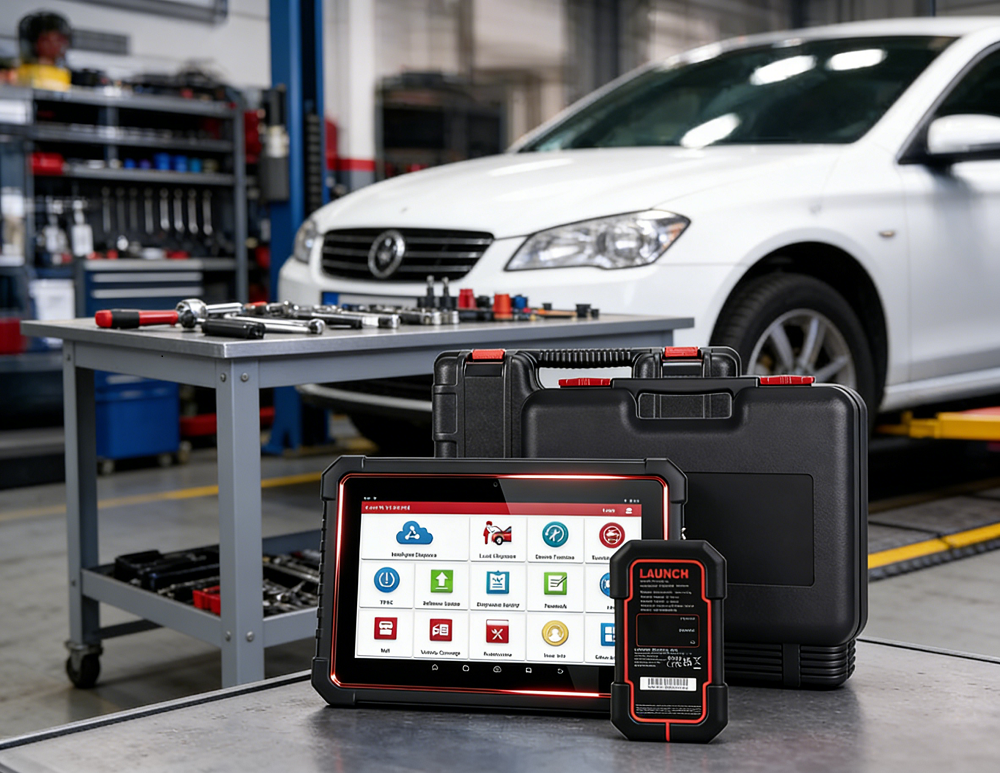
Not all code readers are the same. Understanding the different categories will help you select the right one for your budget and needs.
Basic models are designed primarily to read and clear engine codes. They are simple to operate and typically have a small screen displaying the error code and description.
These devices are ideal for:
Casual car owners
Beginners learning vehicle diagnostics
Drivers who only want to check engine warnings
They are usually the most affordable option, making them a popular choice for budget-conscious users.
Mid-range scanners provide more detailed information than basic code readers. In addition to reading and clearing codes, they may offer:
Live data monitoring
Freeze-frame data analysis
Vehicle information display
Basic system diagnostics
These tools are often used by serious DIY mechanics or small repair shops because they balance functionality and price.
Professional diagnostic tools are advanced scanners capable of performing deep system diagnostics. They can access multiple vehicle systems such as:
Transmission
ABS (Anti-lock Braking System)
Airbags
Electronic control modules
Professional devices also support bi-directional control, which allows technicians to send commands to vehicle components during testing. While powerful, these tools are usually more expensive and designed for professional use.
Selecting the right tool requires balancing price, functionality, and compatibility. Here are several factors to consider before making a purchase.
Ensure the code reader supports your vehicle’s make, model, and year. Most tools work with OBD-II compliant vehicles, but some advanced features may vary by brand.
A good code reader should have a clear interface and simple navigation. Beginners benefit from devices that provide plain-language descriptions rather than only numeric codes.
Modern code readers may include:
Color screens
Bluetooth or Wi-Fi connectivity
Smartphone app integration
These features make diagnostics easier and more convenient.
Vehicles evolve constantly, so a code reader that supports software updates will remain useful for many years.
Durability is important, especially for workshop environments. Reliable brands such as Kolsol focus on producing diagnostic tools that combine performance with long-term reliability.
When searching for dependable automotive diagnostic tools, Kolsol has become a trusted name among drivers and technicians. The brand focuses on providing cost-effective diagnostic solutions without compromising essential features.
Some key advantages of Kolsol code readers include:
User-friendly design
Kolsol tools are designed for both beginners and professionals, featuring intuitive interfaces and easy navigation.
Accurate diagnostics
The devices quickly read and interpret fault codes, helping users identify issues with confidence.
Wide vehicle compatibility
Kolsol scanners support a large range of OBD-II vehicles, including many domestic and international brands.
Affordable pricing
Compared with many professional diagnostic tools, Kolsol products offer excellent functionality at a more accessible price point. For users who want reliable diagnostics without investing in expensive professional equipment, Kolsol scanners provide a strong balance between performance and affordability.
Once you purchase a code reader, proper use will ensure accurate diagnostics.
Locate the OBD-II port
The port is typically located under the dashboard near the steering column.
Turn the ignition on
Most code readers require the vehicle’s ignition to be on for communication with the onboard computer.
Read and record codes
Before clearing any codes, write them down or save them for reference.
Research the codes
While many scanners provide descriptions, additional research may help identify the exact cause.
Clear codes after repairs
Once the issue is fixed, clearing the code resets the system and confirms the repair.
Automotive code readers have become essential tools for modern vehicle maintenance. Whether you are a casual driver who wants to understand a dashboard warning or a DIY enthusiast performing regular maintenance, the right diagnostic tool can make troubleshooting easier and more efficient. Choosing the best code reader ultimately depends on your budget and diagnostic needs. Basic readers are perfect for simple engine code checks, while mid-range scanners provide deeper insights into vehicle performance. Professional diagnostic tools offer the most advanced features but are usually designed for workshops and technicians.
For drivers looking for a reliable, budget-friendly diagnostic solution, tools from Kolsol provide an excellent starting point. By investing in the right automotive code reader, you can gain better insight into your vehicle’s health, avoid unnecessary repair costs, and maintain your car with greater confidence.
Mar 17, 2026
Mar 19, 2026

 EN
EN