The rapid evolution of electric vehicles (EVs) has fundamentally reshaped the automotive industry, not only in terms of propulsion systems but also in how vehicles are maintained and diagnosed. Unlike traditional internal combustion engine (ICE) vehicles, EVs rely heavily on electronic control units, high-voltage battery systems, and complex software architectures. This shift has created a demand for advanced diagnostic tools specifically designed for electric mobility. Among these, the electric car scanner stands out as a critical technology, enabling users to access, interpret, and act upon detailed vehicle data.
Electric car scanners are more than just tools for identifying faults—they are comprehensive systems that provide insight into nearly every aspect of an EV’s operation. From battery health to motor efficiency and charging performance, these devices offer a level of transparency that was previously unavailable to most drivers.
An electric car scanner is a diagnostic device or software application that connects to an EV’s onboard systems to retrieve and analyze data. Typically, it interfaces through the vehicle’s OBD-II port or a proprietary connection, depending on the manufacturer. Once connected, the scanner communicates with various electronic control units (ECUs) within the vehicle.
Unlike traditional scanners that focus mainly on engine-related trouble codes, EV scanners are designed to access a broader range of systems. These include the battery management system (BMS), inverter, onboard charger, thermal management system, and more. The scanner translates complex data into readable formats, allowing technicians and even everyday users to understand the vehicle’s condition.
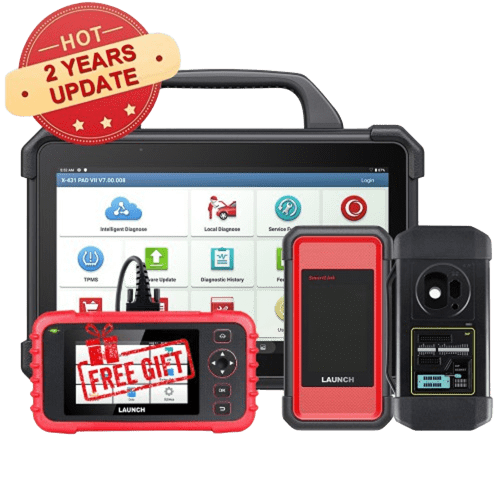
The battery is the core component of any electric vehicle, and its performance directly impacts range, efficiency, and safety. Electric car scanners provide deep insights into the battery management system, which oversees the operation of individual cells within the battery pack.
Using a scanner, users can monitor key parameters such as state of charge (SOC), state of health (SOH), voltage levels, and temperature distribution across cells. This information is crucial for detecting issues like cell imbalance, overheating, or gradual degradation. Early detection allows for timely intervention, which can prevent costly repairs or even battery failure.
In addition, scanners can help evaluate long-term battery performance trends. By analyzing historical data, users can better understand how driving habits, charging patterns, and environmental conditions affect battery life.
Although electric motors are mechanically simpler than internal combustion engines, they are governed by sophisticated electronic systems. An electric car scanner can access data related to motor speed, torque output, and efficiency.
The inverter, which converts direct current (DC) from the battery into alternating current (AC) for the motor, is another critical component. Scanners can identify irregularities in inverter performance, such as voltage fluctuations or communication errors. These insights are essential for diagnosing issues that may affect acceleration, regenerative braking, or overall drivability.
By providing real-time feedback, scanners enable technicians to pinpoint problems with greater accuracy and efficiency than traditional diagnostic methods.
Charging is a defining aspect of EV ownership, and problems in this area can significantly impact usability. Electric car scanners play a vital role in diagnosing charging-related issues by accessing data from both the onboard charger and the charging interface.
Users can identify faults such as incomplete charging sessions, communication errors with charging stations, or hardware malfunctions. Scanners also provide detailed logs of charging activity, including duration, power levels, and energy transferred.
This information is particularly useful for optimizing charging habits. For instance, users can determine the most efficient times to charge or identify patterns that may be contributing to battery wear.
Thermal management is essential for maintaining optimal performance and safety in electric vehicles. Batteries, motors, and power electronics generate heat during operation, and excessive temperatures can lead to reduced efficiency or even system failure.
Electric car scanners allow users to monitor temperature sensors, coolant flow rates, and the performance of cooling systems. If any component begins to overheat, the scanner can provide early warnings, enabling preventive action.
This proactive approach enhances safety by identifying potential issues before they become serious problems. It also helps extend the lifespan of critical components, ultimately reducing long-term maintenance costs.
Modern EVs are essentially software-driven machines. From energy management to advanced driver assistance systems, software plays a central role in vehicle functionality. Electric car scanners can access firmware versions, error logs, and system updates.
Some advanced scanners even allow users to perform software resets or initiate updates. This capability reduces the need for dealership visits and ensures that the vehicle remains up to date with the latest features and improvements.
Additionally, scanners can help diagnose software-related issues, such as glitches or compatibility problems, which might otherwise be difficult to identify.
One of the most significant advantages of electric car scanners is their ability to provide real-time data. Many modern scanners are paired with mobile applications, allowing users to monitor their vehicle’s status on the go.
Drivers can track energy consumption, battery levels, and system performance while driving or charging. This real-time feedback empowers users to make informed decisions, such as adjusting driving behavior to maximize range or scheduling maintenance before issues escalate.
For fleet operators, real-time diagnostics offer even greater benefits, enabling centralized monitoring and predictive maintenance across multiple vehicles.
As the EV market continues to expand, compatibility has become an important consideration for diagnostic tools. Some electric car scanners are designed to work across multiple brands, while others are tailored to specific manufacturers.
Differences in communication protocols and proprietary systems can limit the functionality of universal scanners. However, industry efforts toward standardization are gradually improving compatibility, making it easier for users to access comprehensive diagnostics regardless of their vehicle model.
Choosing the right scanner depends on the user’s needs, whether it’s general monitoring or in-depth analysis for a specific brand.
With increased connectivity comes the need for robust security measures. Electric car scanners access sensitive vehicle data, and unauthorized access could pose risks to both privacy and safety.
Reputable scanners incorporate encryption and authentication protocols to ensure secure communication. Users should also take precautions by using trusted software, keeping applications updated, and avoiding unverified devices.
As EV technology evolves, maintaining strong cybersecurity practices will be essential for protecting both vehicles and user data.
Electric car scanners enable a shift from reactive to proactive maintenance. By continuously monitoring vehicle data, users can identify potential issues before they become serious problems.
Predictive maintenance reduces downtime, lowers repair costs, and enhances reliability. For example, a scanner might detect early signs of battery degradation or cooling system inefficiencies, allowing for timely intervention.
In addition to maintenance, scanners can be used for performance optimization. By analyzing driving patterns and energy usage, users can adopt more efficient habits, extending range and improving overall vehicle performance.
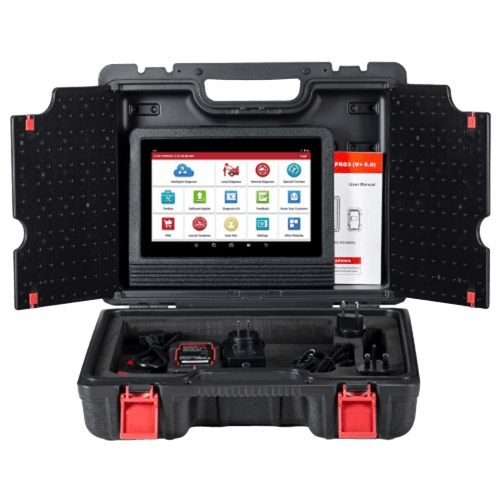
The future of electric vehicle (EV) diagnostics is being shaped by rapid advancements in artificial intelligence (AI), connectivity, and data analytics. AI-powered diagnostic systems are expected to transform how issues are detected and resolved by analyzing vast datasets collected from vehicle sensors. These systems can identify patterns, predict potential failures before they occur, and offer precise maintenance recommendations, ultimately improving vehicle reliability and safety.
Cloud integration is another key trend that will redefine EV diagnostics. By connecting vehicles to cloud-based platforms, real-time data can be transmitted to manufacturers or service providers. This enables remote diagnostics, over-the-air updates, and instant technical support without requiring a physical visit to a repair center. As a result, users can save both time and maintenance costs while benefiting from faster issue resolution.
In addition, the integration of EVs with smart home systems is expected to enhance energy efficiency. Vehicles will be able to communicate with home energy management systems to optimize charging schedules based on electricity prices, grid demand, or the availability of renewable energy sources such as solar power. This not only reduces charging costs but also supports a more sustainable and environmentally friendly energy ecosystem.
Electric car scanners have become indispensable tools in the era of electric mobility. They provide comprehensive insights into vehicle systems, enabling efficient diagnostics, proactive maintenance, and enhanced performance.
As EV technology continues to advance, the role of diagnostic tools will only become more important. By empowering users with detailed information and actionable insights, electric car scanners are helping to shape a more reliable, efficient, and sustainable future for transportation.
In this rapidly growing market, Kolsol is contributing to the accessibility and effectiveness of diagnostic technology. Our scan tools are designed with user-friendly interfaces and broad vehicle compatibility, making them suitable for both professional technicians and everyday EV owners. Our devices typically support real-time data monitoring, fault code reading and clearing, and detailed system analysis, allowing users to quickly identify and resolve issues. With a focus on reliability and ease of use, Kolsol scan tools help bridge the gap between advanced vehicle technology and practical, everyday diagnostics, making EV maintenance more efficient and approachable.
Mar 14, 2026

Mar 25, 2026

 EN
EN