It’s the ultimate dream for every DIY mechanic and shop owner: a single device, one cable, and the power to fix any vehicle that rolls into the driveway. Whether it’s a high-tech BMW, a workhorse Ford F-150, or a classic Toyota import, we all want that "one-size-fits-all" solution.
In 2026, the short answer is: Yes, but with some clever engineering. While the industry has made massive strides toward universal compatibility, the "single machine" dream exists on a spectrum. From basic $20 code readers to professional-grade hardware, here is the truth about universal diagnostics and why brands like Kolsol are leading the charge in making "universal" a reality.
To understand if a single machine can work on all cars, you have to look at the OBD-II (On-Board Diagnostics) standard. Since 1996 in the US (and 2001 in Europe/Asia), almost every car has shared the same trapezoidal 16-pin port.
This universal "plug" was designed primarily for emissions. It allows any generic scanner to read "P-codes" (Powertrain) related to the check engine light. If you just want to know why your car is failing a smog test, yes, a single basic reader works on almost all cars.
The "Single Machine" dream hits a wall once you move past the engine. Modern vehicles are made of dozens—sometimes hundreds—of individual computers called modules.
The Engine (ECM): Usually universal (OBD-II).
Safety Systems (ABS/SRS): Deeply proprietary. A generic tool won't see these.
Comfort & Body (BCM/HVAC): Controls windows, seats, and AC. These are often locked behind brand-specific "firewalls."
A truly "universal" machine in 2026 must be programmed with the digital "languages" of over 80 different manufacturers. This is where Kolsol hardware excels. While a basic reader is a passive listener, a Kolsol multi-system scanner acts as a professional translator, equipped with the software libraries needed to talk to a Mercedes-Benz just as easily as a Chevrolet.
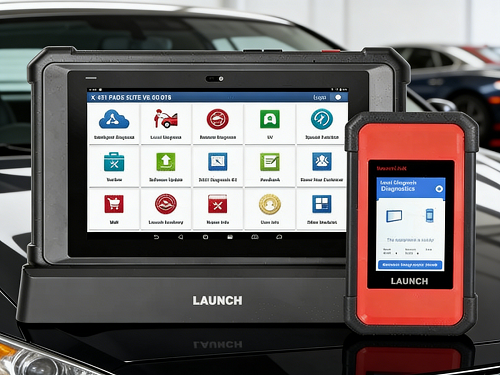
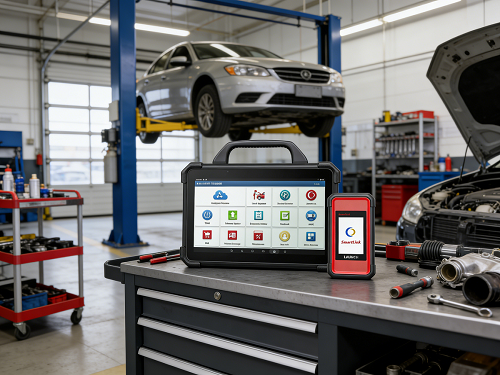
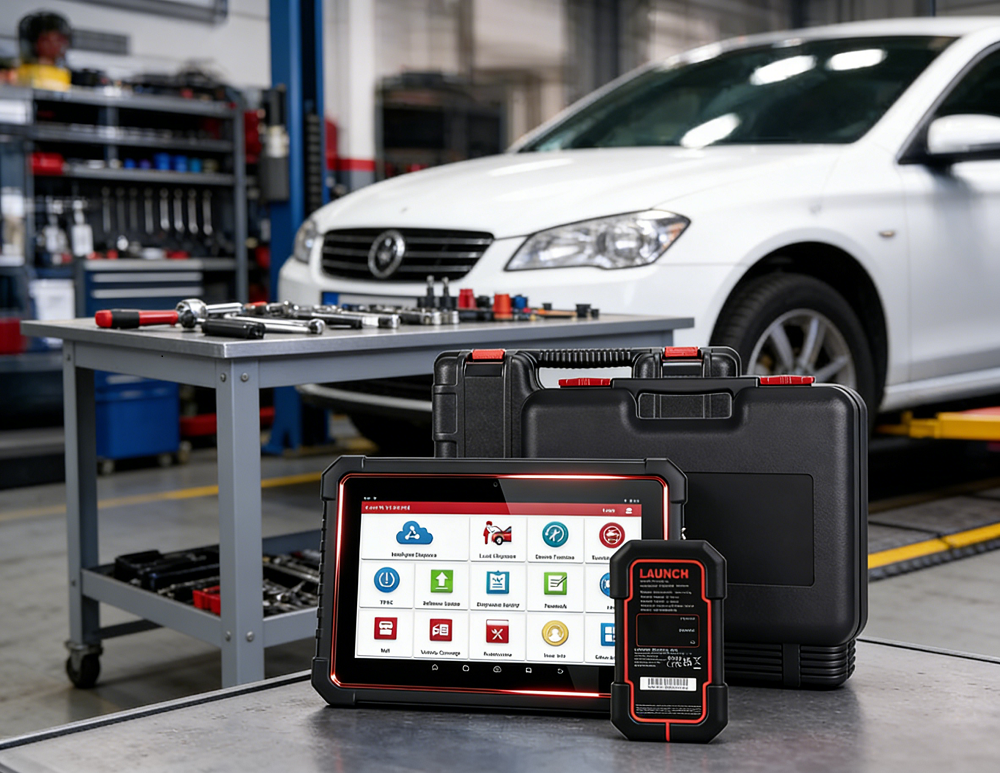
In the current market, high-end diagnostic tablets from brands like Kolsol come as close to "universal" as humanly possible. These are essentially rugged computers running Android-based software with massive vehicle databases.
What a True Universal Machine Can Do Today:
Full System Diagnostics: It scans the transmission, parking sensors, infotainment, and even hybrid battery health.
Bi-Directional Control: It sends commands to the car.
Specialty Resets: It performs the specific "handshakes" required for battery registration, oil light resets, and electronic parking brake (EPB) retraction.
Even the most expensive tool faces two major hurdles in 2026:
Security Gateways (SGW): Starting around 2018, manufacturers like Jeep, Ram, and Mercedes-Benz added digital "firewalls" to prevent hacking. To use a universal scanner on these, your tool must be AutoAuth certified. Modern Kolsol tools are built with these security protocols, allowing authorized access to locked gateways.
The JDM Gap: As we’ve seen with Japanese Domestic Market imports, many use JOBD. A tool claiming to be "universal" for the US market might still fail on a Toyota Crown from Tokyo unless it’s specifically programmed for Japanese protocols.
While no tool is 100% perfect for every car ever made (especially vintage cars pre-1996), the modern diagnostic tablet has arrived at the "98% solution."
A single Kolsol diagnostic machine can now replace a dozen specialized tools, saving you thousands of dollars in dealership fees and shelf space. In 2026, the "Single Machine" isn't a myth anymore—it’s an essential part of the modern toolkit.

 EN
EN