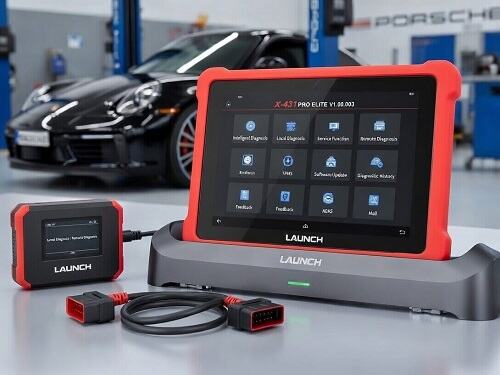
In modern automotive technology, vehicles are no longer purely mechanical machines. They are sophisticated electronic systems controlled by complex software. From engine performance to fuel efficiency, from safety features to infotainment systems, nearly every function in a modern car is governed by embedded control units.
At the center of this evolution lies the car reprogramming tool—an essential device used to update, modify, or restore a vehicle’s onboard software systems. Understanding how this tool works, why it is used, and its impact on the automotive industry provides insight into the future of transportation.
Traditionally, vehicles were controlled by mechanical systems such as carburetors, manual transmissions, and hydraulic brakes. However, with the rise of electronic control units (ECUs), cars have become software-driven platforms. A modern vehicle can contain anywhere from 30 to over 100 ECUs, each responsible for specific functions such as engine timing, transmission shifting, braking systems, airbag deployment, and climate control.
As vehicles became more software-dependent, manufacturers needed a way to manage and update these systems efficiently. This is where car reprogramming tools come into play. Instead of physically replacing hardware components, technicians can now update vehicle behavior through software reprogramming, similar to updating a smartphone or computer.
A car reprogramming tool is a diagnostic and programming device designed to communicate directly with a vehicle’s electronic control units (ECUs). These tools allow technicians, engineers, and manufacturers to access the internal software of a car, read existing data, and perform system-level diagnostics. In many cases, they also enable the installation of updated firmware or calibration files to improve or correct vehicle performance.
Most modern car reprogramming tools connect to the vehicle through the standard OBD-II (On-Board Diagnostics) port, which is commonly found in vehicles manufactured after 1996. Once connected, the tool establishes communication with one or multiple ECUs, such as those controlling the engine, transmission, or emissions systems. This access makes it possible to analyze system behavior, identify faults, and make precise software adjustments.
These tools are widely used for a range of important functions. They support manufacturer-issued software updates, help fix bugs or electronic malfunctions, and can enhance engine performance or fuel efficiency. In addition, they are often used to add new features, improve system compatibility, or reset and adapt control modules after repairs or component replacements.
The process of reprogramming a vehicle involves several technical steps. While the exact procedure varies depending on the manufacturer and model, the general workflow remains consistent.
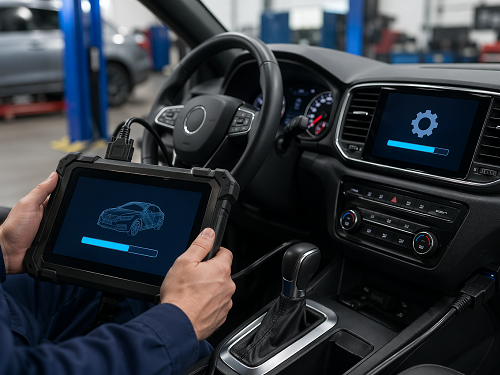
First, the reprogramming tool establishes communication with the vehicle’s ECU. It identifies the software version currently installed and checks whether updates are available. If an update is required, the tool downloads the new firmware from a manufacturer's database or uses preloaded software files.
Before installation, the system often performs a backup of the existing software. This ensures that the original configuration can be restored in case of errors. Once the backup is complete, the tool begins flashing the new software onto the ECU.
During this process, maintaining stable power is critical. A voltage drop or interruption can corrupt the ECU, potentially rendering the vehicle inoperable. For this reason, professional technicians use battery support units to ensure a consistent power supply throughout the reprogramming process.
After installation, the tool verifies that the new software has been successfully applied. It may also perform calibration or adaptation procedures, ensuring that all vehicle systems function correctly with the updated software.
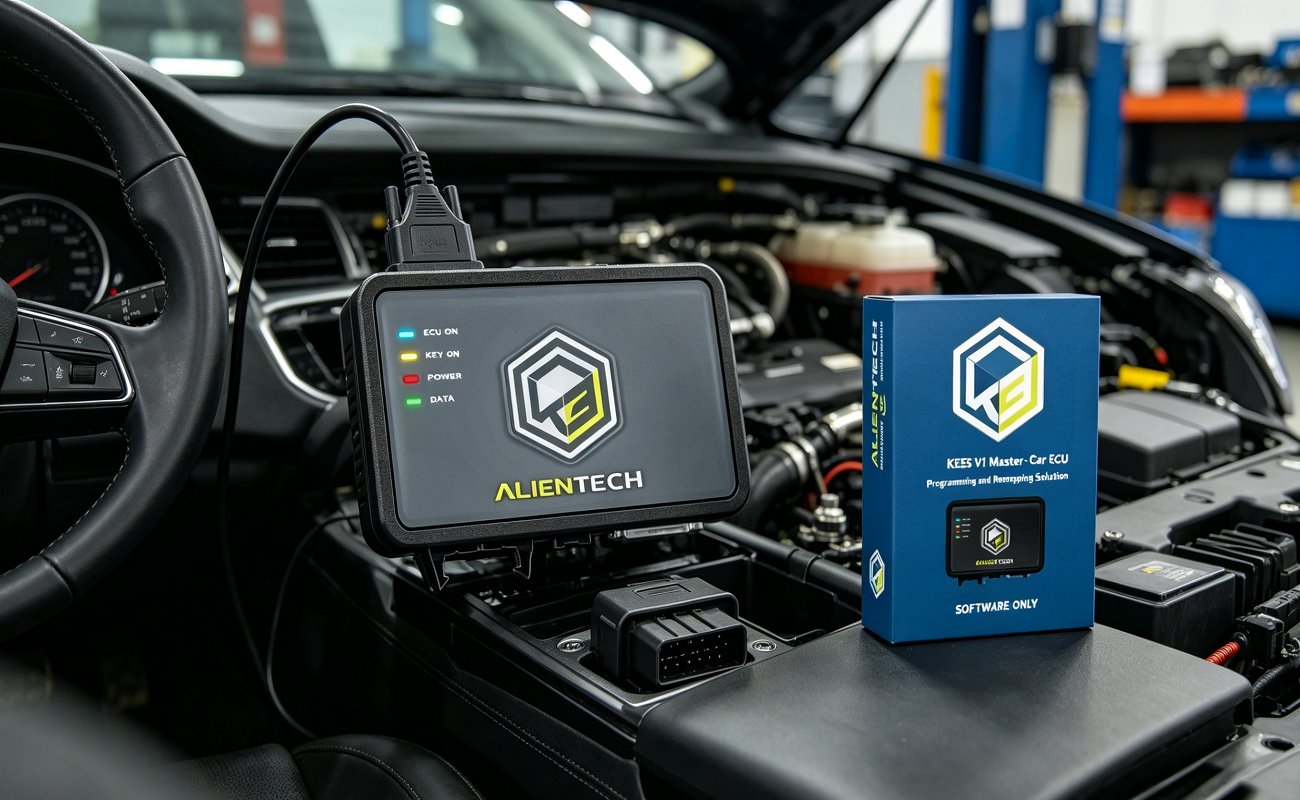
Car reprogramming tools come in various forms, depending on their functionality and target users.
Original Equipment Manufacturer (OEM) tools are designed specifically by vehicle manufacturers. These tools provide access to official software updates and are typically used in authorized dealerships. They offer the highest level of compatibility and safety, ensuring that updates are fully tested and approved.
These are advanced aftermarket tools used by independent repair shops and automotive technicians. They support multiple brands and provide functions such as ECU programming, diagnostics, and system calibration. While powerful, they may require subscriptions for software updates.
These compact tools are designed for simpler tasks such as performance tuning or basic ECU resets. They are often used by automotive enthusiasts or small workshops for quick modifications.
Performance tuning tools are a specialized category used to modify engine parameters such as fuel mapping, ignition timing, and turbo boost levels. These tools are commonly used in motorsports and performance customization.
Car reprogramming tools play a crucial role in both manufacturing and maintenance.
In manufacturing, they are used during vehicle assembly to program ECUs with factory settings. Each vehicle must be calibrated to ensure optimal performance based on engine type, emissions standards, and regional regulations.
In maintenance and repair, reprogramming tools are essential for troubleshooting and fixing software-related issues. For example, if a vehicle experiences erratic engine behavior due to a software glitch, a technician can reflash the ECU to restore proper function.
Another major application is emissions compliance. Governments frequently update emissions standards, requiring manufacturers to release software updates that adjust engine performance to meet new regulations. Reprogramming tools make it possible to apply these updates without modifying physical components.
Additionally, car reprogramming is widely used in feature enhancement. Many modern vehicles receive over-the-air or workshop-based updates that improve infotainment systems, driver assistance features, or energy management in electric vehicles.
The adoption of car reprogramming tools brings a wide range of practical benefits for manufacturers, technicians, and vehicle owners. One of the most important advantages is cost efficiency. Instead of replacing expensive electronic components or control modules, many performance or functionality issues can be resolved through software updates. This significantly reduces repair costs and minimizes vehicle downtime while still achieving reliable results.
Another major benefit is flexibility and continuous improvement. Manufacturers are able to refine and enhance vehicle performance even after a car has been released to the market. Through software updates, they can adjust engine behavior, improve transmission logic, or optimize emissions control systems. This ability helps extend the overall lifecycle of vehicles and keeps older models competitive with newer releases.
Car reprogramming tools also greatly improve diagnostic accuracy. Modern vehicles rely heavily on complex electronic systems, and identifying the root cause of a problem can be challenging. With reprogramming tools, technicians can directly access ECU data, analyze system behavior, and detect software-related issues more precisely. This reduces guesswork, avoids unnecessary part replacements, and improves overall repair efficiency.
For end users, the benefits are equally significant. Software updates delivered through reprogramming can lead to better fuel efficiency, smoother driving performance, and improved safety features. In many cases, manufacturers can even unlock enhanced driving modes or refine existing systems for a better driving experience. For electric vehicles in particular, updates can optimize battery management, extend driving range, and improve charging efficiency, making the vehicle more capable over time.
Despite their benefits, car reprogramming tools also come with challenges.
One of the primary risks is software corruption during the flashing process. If the update is interrupted due to power failure or communication errors, the ECU may become unusable, requiring expensive replacement or recovery procedures.
Another concern is compatibility. Using incorrect software versions can lead to system malfunctions or degraded performance. This is why manufacturers tightly control access to official updates.
Security is also a growing issue. As vehicles become more connected, unauthorized access to ECU systems can lead to hacking risks. Cybersecurity in automotive software is now a major focus area for manufacturers.
Additionally, performance tuning tools can sometimes push engines beyond safe operating limits, potentially reducing engine lifespan or violating emissions regulations.
The future of car reprogramming is closely tied to the evolution of connected and autonomous vehicles. As cars become increasingly software-driven, updates will shift from workshop-based processes to over-the-air (OTA) systems.
OTA updates allow manufacturers to remotely update vehicle software without requiring a physical visit to a service center. This technology is already being widely adopted in electric vehicles and luxury cars.
Artificial intelligence is also expected to play a role in predictive software updates. Future systems may automatically detect inefficiencies in vehicle performance and deploy optimized software patches in real time.
Moreover, reprogramming tools will become more integrated, user-friendly, and secure. Advanced encryption and authentication systems will help protect vehicles from unauthorized modifications while still allowing authorized customization.
Car reprogramming tools represent a fundamental shift in how vehicles are maintained, improved, and customized. They bridge the gap between mechanical engineering and software development, enabling cars to evolve long after they leave the factory. From improving performance and fuel efficiency to enabling advanced safety features and regulatory compliance, these tools are essential in modern automotive ecosystems.
As technology continues to advance, vehicles will increasingly rely on software updates rather than physical modifications. In this landscape, car reprogramming tools will remain at the core of automotive innovation, shaping the future of mobility in a more intelligent, efficient, and connected world.
Apr 21, 2026

 EN
EN