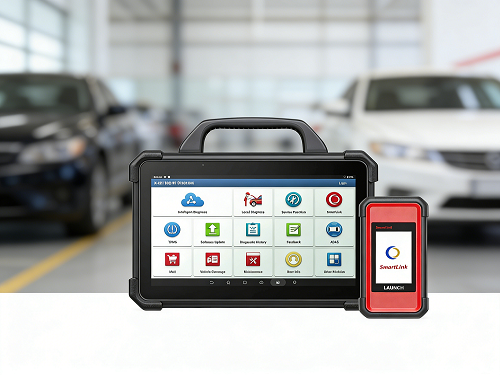
Modern vehicles, especially high-performance automobiles like Porsches, rely heavily on sophisticated electronics and onboard diagnostic systems to maintain optimal performance, safety, and longevity.
Among these systems, the maintenance indicator, commonly known as the oil service light, is one of the most critical reminders for drivers. It notifies when the engine oil requires changing or when service is due, helping prevent potential damage due to inadequate lubrication or neglect.
For Porsche owners, understanding how to properly reset the oil service light using a diagnostic tool is essential for both routine maintenance and ensuring the longevity of their vehicle’s high-performance engine.
The oil service light in a Porsche is more than just a simple reminder. It is an integrated feature of the vehicle’s onboard diagnostic system (OBD-II), which monitors engine oil life, mileage, and driving conditions. Porsche vehicles, like the 911, Panamera, Cayenne, and Macan, are equipped with sensors that evaluate the quality and level of engine oil. The system calculates oil degradation based on several factors, including driving habits, engine temperature, and mileage. When these factors indicate that the oil’s effectiveness has diminished, the oil service light illuminates on the dashboard.
Ignoring the oil service light can have serious consequences. Engine oil lubricates, cools, and cleans engine components, reducing friction and preventing wear. Failure to change the oil at recommended intervals can lead to overheating, excessive wear, and in worst cases, catastrophic engine failure. Consequently, timely oil changes and resetting the service light after maintenance is crucial for Porsche owners.
While some Porsche models allow a basic manual reset of the oil service light via the instrument cluster or onboard menus, the most reliable and comprehensive method is through a Porsche diagnostic tool. These tools provide direct access to the car’s electronic control units (ECUs) and allow technicians or owners to perform a range of maintenance and diagnostic functions.
A Porsche diagnostic tool can:
Read and Clear Fault Codes: A Porsche diagnostic tool can read and clear fault codes from various systems, including the engine, transmission, and ABS. When a system detects a problem, it stores a code, which the tool can identify and explain. After repairs, the tool clears these codes, turning off warning lights and ensuring accurate system monitoring.
Monitor Sensor Data: The tool displays real-time data from key sensors, such as oil pressure, temperature, and engine performance metrics. This allows owners or technicians to detect issues early, monitor system performance, and ensure the vehicle runs efficiently and safely.
Perform Service Resets: Beyond oil service lights, the diagnostic tool can reset other maintenance indicators like brake service or inspection reminders. This keeps the ECU updated, prevents false alerts, and ensures proper maintenance records for warranty or resale purposes.
Calibrate Systems: Some Porsche models require recalibration after maintenance, such as for adaptive suspension or steering sensors. The diagnostic tool updates system parameters, ensuring correct operation, maintaining performance, and preventing warning lights from appearing.
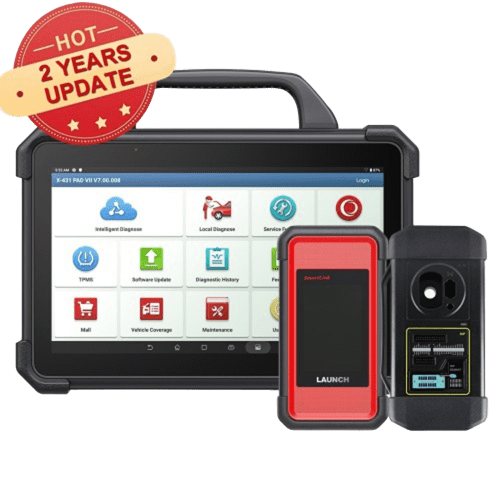
Resetting the oil service light in a Porsche requires a systematic approach. While the exact steps may vary slightly depending on the model and year, the general procedure using a diagnostic tool is as follows:
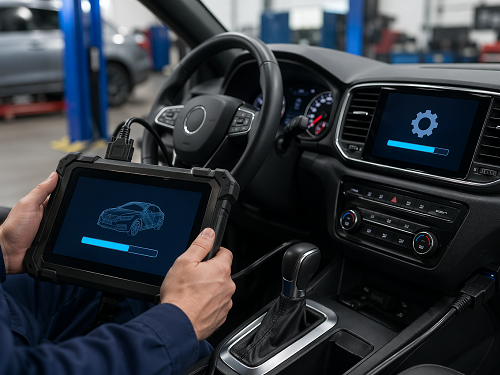
Connect the Diagnostic Tool: Start by connecting the diagnostic tool to the Porsche’s OBD-II port, usually located beneath the dashboard near the steering column. Ensure the vehicle is in a stationary position with the ignition in the “on” position but the engine off.
Access the Service Menu: Using the diagnostic tool, navigate to the maintenance or service menu. For PIWIS Tester III users, select the vehicle model, then proceed to “Service Functions” or “Oil Service Reset.” Third-party tools typically have a menu labeled “Maintenance” or “Service Reset.”
Verify Oil Change Status: Some diagnostic tools may request confirmation that the oil has been replaced. This step ensures that the system accurately logs maintenance history. Enter the required details, such as oil type and service date, if prompted.
Reset the Oil Service Interval: Select the option to reset the oil service light or oil service interval. The tool will communicate with the vehicle’s ECU, clearing the oil service reminder and recalibrating the oil life monitor. Successful completion will be indicated on the tool’s screen.
Confirm the Reset: Turn the ignition off and then back on to confirm the oil service light has been cleared. Some vehicles may require starting the engine briefly for the system to register the reset.
Check for Error Codes: After resetting, it’s prudent to scan for any stored fault codes. This ensures no underlying issues remain that could affect the oil system or trigger future service reminders prematurely.
While Porsche diagnostic tools make the reset process straightforward, several issues can arise during the procedure:
Tool Compatibility: Not all diagnostic tools are compatible with every Porsche model. Using an incompatible device may result in incomplete resets or error codes. Always verify compatibility with the vehicle’s year and model.
ECU Communication Errors: Occasionally, the tool may fail to establish communication with the ECU. This can be caused by a low battery, faulty connection, or outdated software on the diagnostic tool. Ensuring both the vehicle and tool have sufficient power and updated software typically resolves this issue.
Incomplete Reset: If the oil service light remains after resetting, it may indicate the ECU requires multiple cycles to recognize the reset. Repeating the procedure or performing a system recalibration usually resolves this.
Manual Reset Requirements: Some older Porsche models may require a combination of instrument cluster buttons to be pressed alongside the diagnostic reset. Refer to the vehicle’s service manual for model-specific instructions.
While manually resetting the oil service light might seem convenient, using a diagnostic tool provides significant advantages:
Accuracy: One of the main advantages of using a diagnostic tool is its direct communication with the vehicle’s ECU. Unlike manual resets, which rely on button sequences or menus, the tool sends precise commands to the system, ensuring that the reset is properly recorded. This guarantees that the oil service light and other maintenance reminders are accurately updated, reducing the risk of errors and ensuring the vehicle’s maintenance system reflects the true service history.
Prevents False Warnings: Manual methods of resetting the oil service light can sometimes fail to correctly update the oil life monitor. This may cause the service light to turn back on prematurely, even if maintenance has been completed. A diagnostic tool eliminates this risk by fully communicating with the ECU and confirming that the reset has been successfully applied, preventing unnecessary worry or repeated trips to the service center.
Comprehensive Maintenance Tracking: Diagnostic tools maintain detailed records of all service resets within the vehicle’s ECU. This creates a reliable history of maintenance activities, which is valuable for warranty purposes, verifying service intervals, and maintaining resale value. Accurate tracking also helps technicians plan future maintenance, ensuring that the vehicle continues to operate at peak performance without missing critical service milestones.
Multi-Function Capability: Beyond resetting the oil service light, diagnostic tools are capable of managing a wide range of maintenance functions. They can reset indicators for brake pads, tire pressure monitoring systems, inspection reminders, and other service-related alerts. This versatility makes the tool a comprehensive solution for keeping the vehicle’s systems correctly calibrated and fully up-to-date, simplifying maintenance for both owners and technicians.
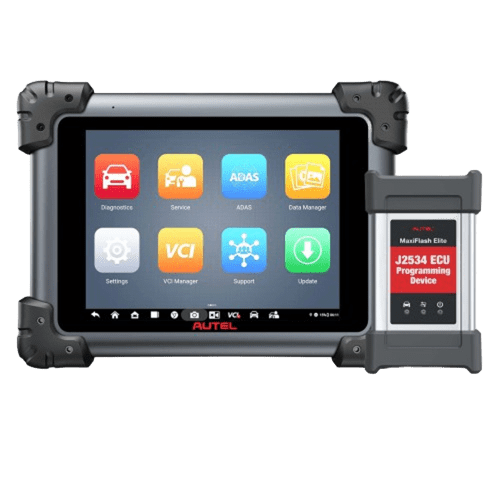
While resetting the oil service light is a technical task, it is part of a broader routine for maintaining Porsche engines. Best practices include:
Use Manufacturer-Approved Oil: Porsche specifies high-quality oils suitable for their high-performance engines. Using the correct oil ensures proper lubrication and longevity.
Follow Recommended Intervals: While the oil service light provides a real-time reminder, adhering to manufacturer-recommended intervals is crucial, especially in extreme driving conditions.
Record Maintenance: Keep a log of oil changes and resets, whether performed manually or with a diagnostic tool. This documentation is valuable for warranty compliance and resale.
Inspect Other Components: Regular oil changes provide an opportunity to inspect filters, belts, and hoses for wear, ensuring overall engine health.
For Porsche owners, understanding the role and proper maintenance of the oil service light is fundamental to vehicle care. While a manual reset might work for basic purposes, a Porsche diagnostic tool offers accuracy, reliability, and comprehensive functionality. By following the systematic steps outlined above, owners and technicians can ensure the oil service light is properly reset, maintaining engine performance and extending the lifespan of one of the most sophisticated sports cars in the world.
The integration of advanced diagnostic tools into vehicle maintenance highlights the evolution of automotive technology. In high-performance vehicles like Porsches, where precision and reliability are paramount, using a diagnostic tool to reset the oil service light is not just a convenience—it is a critical part of responsible vehicle stewardship. Investing in the right tools, understanding the system, and adhering to manufacturer recommendations ensures that every drive remains smooth, powerful, and worry-free.
Apr 21, 2026

 EN
EN