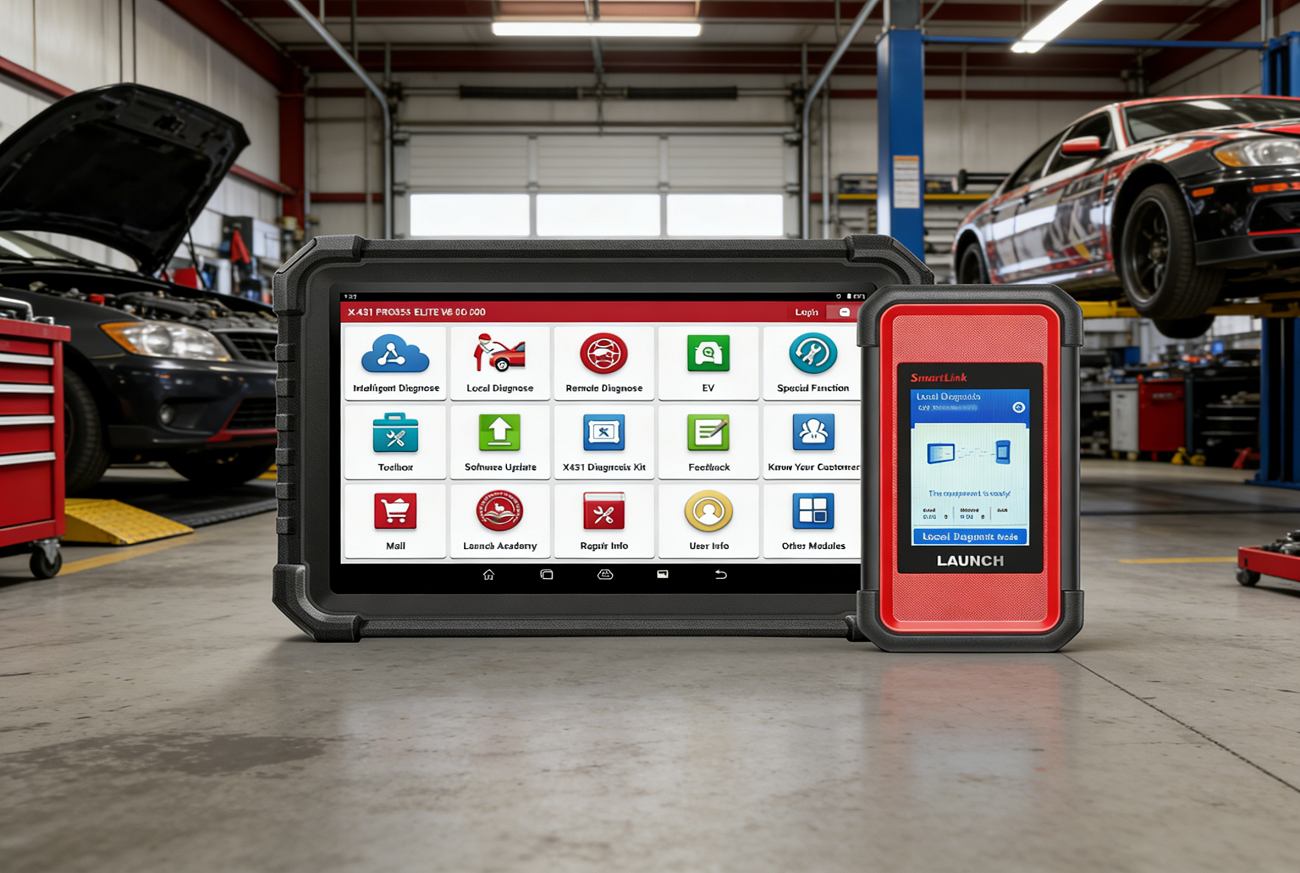
Modern BMW vehicles are equipped with increasingly complex electronic systems that control everything from engine performance and transmission behavior to comfort features and advanced driver assistance systems. As these systems evolve, so does the need for specialized diagnostic tools capable of reading, interpreting, and modifying vehicle data.
One of the most widely discussed tools among enthusiasts and professional technicians is the BMW scanner. This device and its associated software suite offer deep access to vehicle modules, enabling both advanced diagnostics and coding functions that go far beyond basic OBD-II scanners.
A BMW scanner is a specialized diagnostic interface designed specifically for BMW vehicles. Unlike generic OBD-II scanners that only provide engine fault codes and limited live data, a BMW scan tool can communicate with multiple electronic control units (ECUs) across the vehicle. These include modules such as the engine control module (DME/DDE), transmission control unit (EGS), body control modules (FRM/BCM), airbag system (SRS/ACS), and infotainment systems.
Depending on the version, BMW scanner may refer to both hardware devices (USB or Bluetooth interfaces that connect to the car’s diagnostic port) and software applications installed on a computer. Together, they form a system that allows users to read fault codes, perform system tests, reset adaptations, and even modify vehicle behavior through coding.
One of the primary strengths of a BMW scanner is its ability to perform full-system diagnostics, providing access to nearly every electronic control unit in the vehicle. This level of coverage goes far beyond the engine-only data typically available through standard OBD tools, making it a powerful solution for in-depth troubleshooting and system analysis.
BMW scanner tools can read diagnostic trouble codes (DTCs) from almost all control modules in the vehicle, including engine, transmission, ABS, airbag, and body systems. These fault codes offer detailed insight into specific malfunctions such as sensor failures, communication breakdowns, wiring issues, or system performance irregularities.
Unlike basic scanners that often display generic error messages, BMW scanner systems provide manufacturer-specific descriptions that help pinpoint the exact source of the problem. Once repairs are completed, users can also clear the fault codes and reset related warning lights, including the check engine light, ABS warning, and airbag indicators, restoring the vehicle’s normal status.
Another key feature is real-time data monitoring, which allows users to observe live operating parameters while the engine and systems are running. This includes data such as engine RPM, coolant temperature, fuel injection timing, air intake flow, and sensor voltage readings.
Live data is especially valuable for diagnosing intermittent or performance-related issues that may not trigger a fault code. By comparing real-time readings against factory specifications, technicians can quickly determine whether a component is functioning correctly or beginning to fail, enabling more accurate and efficient diagnostics.
BMW scanner tools can also identify all electronic control modules installed in a vehicle and display their operational status. This includes detailed information such as software versions, hardware identifiers, configuration data, and communication status between modules.
If a module is malfunctioning, disconnected, or not responding on the network, the scanner can detect the issue and report it clearly. This helps technicians quickly locate faulty components within the vehicle’s complex electronic architecture, reducing diagnostic time and improving repair accuracy.
Beyond diagnostics, one of the most attractive features of BMW scanner tools is coding. Coding allows users to modify vehicle settings that are normally hidden or restricted by the manufacturer.
BMW vehicles offer a wide range of configurable features that can be adjusted through coding tools. Users can enable functions like a digital speed display, automatic door locking at specific speeds, one-touch window controls, customized lighting behavior, and modified seatbelt reminders.
These changes allow drivers to tailor the vehicle to their preferences, creating a more personalized and convenient driving experience. Many of these features already exist within the system but are disabled by default, and coding simply unlocks their full potential.
Coding plays a key role when installing aftermarket or OEM retrofit parts such as upgraded headlights, navigation systems, or instrument clusters. It ensures that newly installed components are properly recognized and can communicate with the vehicle’s existing electronic systems.
By registering and configuring these modules, coding prevents compatibility issues and system errors. Without it, retrofitted parts may not function correctly, making coding an essential step for seamless integration and reliable performance.
Many BMW vehicles come with built-in capabilities that are disabled due to regional restrictions or trim-level differences. Coding allows users to activate these hidden features, such as enhanced Bluetooth functions, additional display options, or advanced climate settings.
While these activations can enhance functionality and user experience, they should be applied carefully. Some features may not comply with local regulations or could impact system stability if improperly configured.
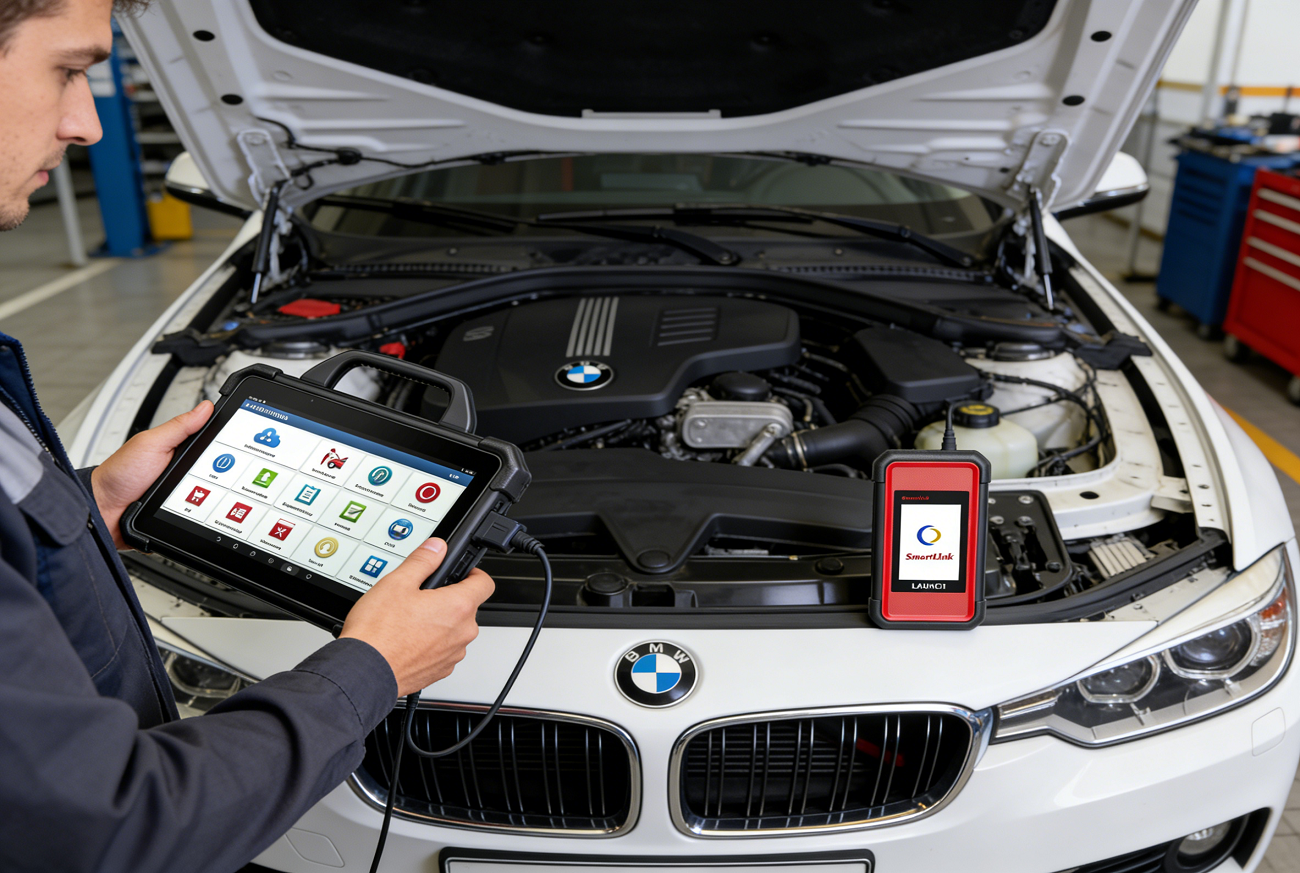
More advanced BMW scanner systems provide ECU programming and adaptation reset capabilities, allowing deeper and more precise interaction with a vehicle’s control systems. These functions are essential for maintaining optimal performance, especially after repairs, upgrades, or component replacements.
Modern ECUs are designed to continuously learn from driving behavior and adjust system parameters over time. For example, the transmission control unit adapts shift timing based on how aggressively or smoothly the vehicle is driven, while the engine control unit fine-tunes fuel delivery and throttle response.
After repairs or when key components are replaced, these learned values may no longer be accurate. Performing an adaptation reset clears previous data and allows the system to relearn from a fresh baseline, ensuring smoother operation, improved efficiency, and more accurate system responses.
Certain components, such as throttle bodies, fuel injectors, and steering angle sensors, require precise calibration after installation or servicing. Without proper calibration, these parts may not function correctly, leading to performance issues or warning lights.
BMW scanner tools provide step-by-step guidance for calibration procedures, helping technicians align components with factory specifications. This ensures that all systems operate harmoniously, maintaining both vehicle safety and overall driving stability.
ECU flashing is an advanced function that involves updating or rewriting the software within a vehicle’s control module. This process can be used to install manufacturer updates, fix software bugs, or in some cases enhance performance and functionality.
However, ECU flashing must be carried out with caution. Any interruption during the process, such as power loss or incorrect software files, can damage the control unit and render it unusable. For this reason, it is typically recommended for experienced users or professional technicians only.
BMW scanner tools also include a variety of service-related functions designed to simplify routine maintenance and ensure the vehicle operates according to manufacturer standards. These features help users perform essential service tasks efficiently while maintaining accurate system records.
After completing an oil change, the vehicle’s service indicator needs to be reset to accurately track the next maintenance interval. BMW scanner tools allow users to quickly reset oil service lights and update mileage-based or time-based service reminders.
This ensures that the vehicle’s maintenance schedule remains accurate and prevents unnecessary warning messages. It also helps drivers and technicians keep consistent records of servicing, which is important for long-term vehicle health.
Modern BMW vehicles require battery registration whenever a new battery is installed. This process informs the vehicle’s energy management system about the battery’s type, capacity, and condition.
Proper registration ensures that the charging system adjusts accordingly, preventing overcharging or undercharging. This not only improves electrical system performance but also extends the lifespan of the new battery.
For vehicles equipped with electronic parking brakes, replacing brake pads requires activating a special service mode. BMW scanner tools can safely retract the brake calipers, allowing maintenance work to be carried out without damaging the system.
Once the service is completed, the scanner can return the system to normal operation. This function simplifies brake maintenance and reduces the risk of errors compared to manual procedures.
BMW scanner tools also allow users to reset and customize inspection intervals and maintenance reminders. These include checks for components such as brakes, fluids, and general vehicle inspections.
By keeping these reminders accurate and up to date, the tool helps ensure that the vehicle receives timely servicing. This supports overall reliability, safety, and compliance with manufacturer-recommended maintenance schedules.
The BMW scanner is a powerful diagnostic and coding tool that provides deep access to a vehicle’s electronic systems. Its ability to read fault codes, monitor live data, perform service resets, and enable advanced coding functions makes it an essential tool for technicians and enthusiasts alike.
Understanding how each function works and applying changes carefully is crucial to avoid unintended consequences. When used correctly, BMW scanner tools can significantly enhance vehicle maintenance, customization, and diagnostic efficiency, making them an invaluable resource in the modern automotive world.
Mar 04, 2026

 EN
EN