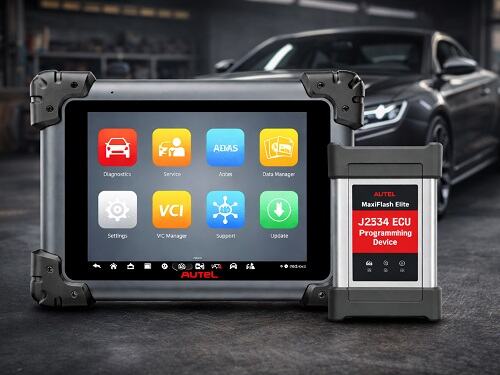
For many drivers, seeing the check engine light appear on the dashboard immediately raises concern. Is it a minor sensor issue, or something more serious? Without diagnostic tools, it’s difficult to know. That’s why many DIY car owners now rely on a car code scanner to identify problems quickly and avoid unnecessary repair costs. A car code scanner connects to your vehicle’s onboard computer system and reads Diagnostic Trouble Codes (DTCs). These codes indicate which system triggered the warning light, allowing drivers to troubleshoot issues before visiting a repair shop. Reliable diagnostic brands such as Kolsol offer scanners designed specifically for DIY users who want professional-level diagnostics without complicated tools. This guide explains how code scanners work, what features matter most, and why Kolsol scanners are a strong choice for home mechanics.
Kolsol car code scanner is a diagnostic device that plugs into a vehicle’s OBD-II port, usually located under the dashboard. Once connected, the scanner communicates with the vehicle’s electronic control unit (ECU) and retrieves stored fault codes.
These codes help identify issues related to:
Engine performance
Emission systems
Sensors and electronic modules
Fuel and ignition systems
Most vehicles produced after 1996 follow the OBD-II diagnostic standard, which allows scanners to communicate with the car’s computer and display trouble codes and system data.
A typical scanner allows users to:
Read diagnostic trouble codes
Clear codes and reset the check engine light
View live sensor data
Access freeze-frame data recorded when the fault occurred
These features make code scanners an essential tool for anyone who performs their own vehicle maintenance.
DIY mechanics increasingly rely on car scanners because they provide insight into vehicle issues without requiring professional diagnostic equipment.
Repair shops often charge a diagnostic fee before any work begins. A scanner allows you to identify the problem yourself and determine whether a repair is urgent.
Instead of guessing why the check engine light is on, a scanner reads the exact code and points directly to the affected system.
Many scanners display live engine data such as RPM, coolant temperature, and oxygen sensor readings. This information helps identify performance problems early.
After replacing a faulty part, the scanner can clear the code and verify that the issue has been resolved. For car enthusiasts who prefer handling their own maintenance, a scanner quickly becomes one of the most valuable tools in the garage.
Among many diagnostic tool brands available today, Kolsol has gained popularity for producing practical and affordable automotive code readers. Kolsol diagnostic tools are designed with DIY users in mind, offering powerful features without overwhelming complexity.
Many Kolsol scanners support complete OBD2 diagnostic modes, including reading and clearing codes, viewing freeze-frame data, checking oxygen sensors, and monitoring emissions systems.
Some Kolsol scanners include a database of up to 40,000 diagnostic trouble codes, making it easier to identify issues without external research.
Kolsol scanners allow users to read and record real-time vehicle sensor data, helping diagnose performance problems more accurately.
Most Kolsol OBD2 scanners work with nearly all gasoline vehicles using standard OBD2 protocols and a 16-pin connector.
Many models include clear color displays and easy navigation so beginners can diagnose problems without advanced technical knowledge. These advantages make Kolsol scanners a practical solution for both beginners and experienced DIY mechanics.
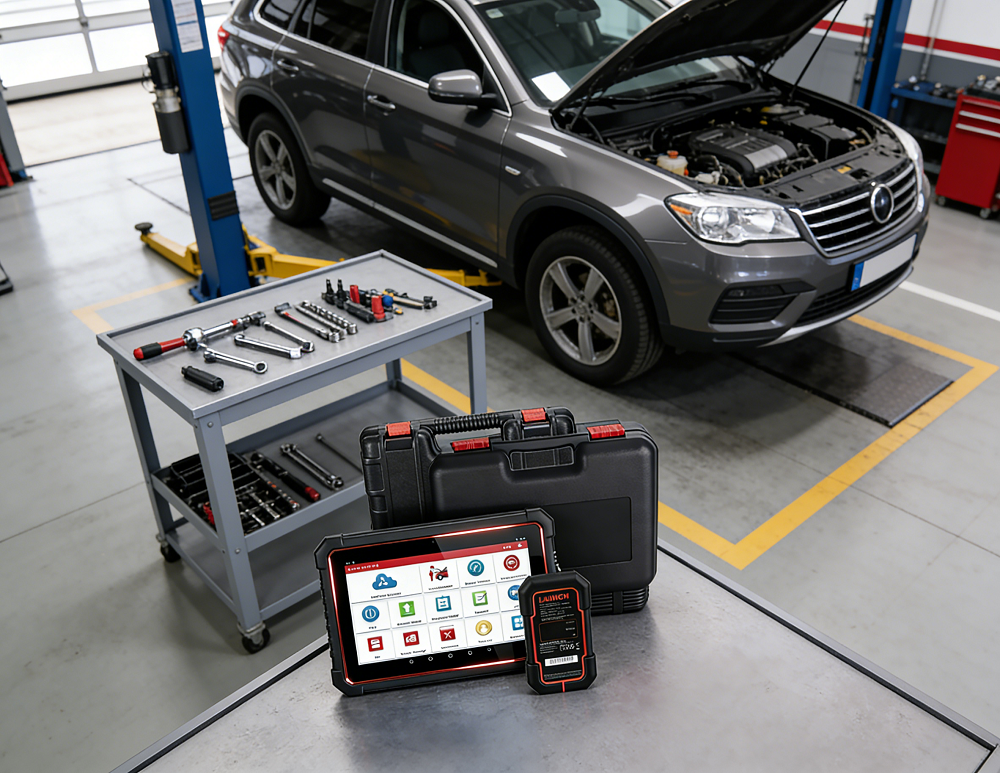
When choosing a car code scanner, consider several important features to ensure it meets your needs.
Most scanners support OBD2 vehicles, but it’s important to confirm compatibility with your vehicle’s make and model.
DIY users benefit from scanners that provide clear menus and code definitions rather than just numeric error codes.
Live sensor data helps identify problems such as fuel mixture issues, sensor failures, or engine performance irregularities.
Vehicles evolve every year, so scanners that support firmware updates remain compatible with newer models.
Portable handheld scanners should be durable enough to handle frequent use in garages or workshops.
Several scanners from Kolsol are popular among DIY users because they combine functionality and affordability.
The KS501 is a handheld diagnostic tool designed for everyday vehicle diagnostics. It supports full OBD2 functions including code reading, live data monitoring, emissions checks, and battery testing. It also features a color display and multilingual support for easier operation.
Another common option is the Kolsol ELM327 adapter, which connects to diagnostic software on a computer or smartphone. This tool can read and clear fault codes, display live data, and work with multiple diagnostic applications. These tools are especially popular among DIY users because they provide reliable diagnostics without the cost of professional workshop scanners.
Code scanners range from simple entry-level devices to professional diagnostic systems used by repair shops.
Budget scanners ($20–$80)
Ideal for basic code reading and clearing check engine lights.
Mid-range scanners ($80–$250)
Provide live data monitoring, freeze-frame analysis, and additional diagnostic functions.
Professional scanners ($300+)
Offer deep system diagnostics, ECU programming, and bi-directional testing. For most DIY users, a mid-range scanner provides the best balance between features and affordability.
If you’re new to automotive diagnostics, follow these steps for accurate troubleshooting:
Locate the OBD-II port under the dashboard.
Plug in the scanner and turn the ignition on.
Scan the vehicle to retrieve stored trouble codes.
Record the codes before clearing them.
Research the code meaning and perform necessary repairs.
Following this process helps avoid misdiagnosis and ensures problems are fixed correctly.
A car code scanner is an essential tool for modern DIY vehicle maintenance. By reading diagnostic trouble codes and monitoring vehicle performance, drivers can quickly identify issues, save money on diagnostics, and keep their cars running smoothly.
For drivers who want reliable diagnostics without complicated equipment, scanners from Kolsol provide an excellent balance of affordability, functionality, and ease of use. With features such as comprehensive OBD2 diagnostics, large code databases, and real-time data monitoring, Kolsol tools help DIY mechanics diagnose problems with confidence. Investing in a high-quality code scanner not only saves time and money—it also gives you greater control over your vehicle’s health and performance.
Apr 07, 2026

 EN
EN