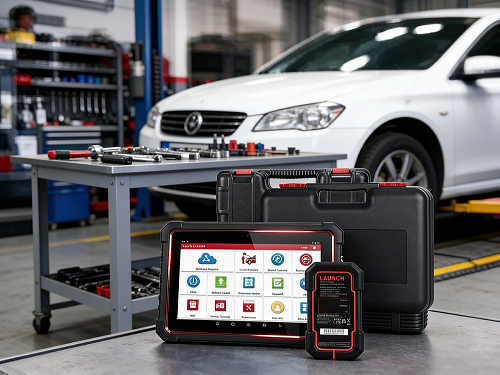
Modern vehicles are built with complex electronic systems that constantly monitor engine performance, emissions, and sensor data. When something goes wrong, the vehicle’s computer records a diagnostic trouble code and often triggers the check engine light. For home mechanics and DIY car owners, a car scanner is the easiest way to identify these problems quickly and accurately.
A good diagnostic scanner allows you to read trouble codes, analyze vehicle data, and even clear warning lights after repairs. In this guide, we’ll explain how car scanners work, what features matter most, and why reliable tools from Kolsol are popular among home mechanics.
The car scanner—commonly called an OBD2 scanner—is a diagnostic device that connects to a vehicle’s onboard computer system through the OBD-II port. Once connected, the scanner communicates with the car’s electronic control unit (ECU) and retrieves diagnostic trouble codes (DTCs). Most vehicles produced after 1996 support the OBD-II standard, which allows scanners to read engine codes and other system information. These codes help identify issues with components such as sensors, ignition systems, and emissions equipment.
Typical scanner capabilities include:
Reading diagnostic trouble codes
Clearing codes and turning off the check engine light
Viewing real-time engine data
Accessing freeze-frame data recorded during faults
These features help drivers understand exactly what caused a warning light instead of guessing.
For DIY mechanics, a diagnostic scanner is one of the most valuable tools in the garage. It helps identify problems quickly and prevents unnecessary repairs.
Repair shops often charge a diagnostic fee before starting repairs. A scanner allows you to read the code yourself and determine whether the issue is something you can fix.
Instead of replacing parts randomly, a scanner points directly to the system or sensor causing the problem.
Many scanners display live data such as engine RPM, coolant temperature, oxygen sensor readings, and fuel trim values.
After fixing a problem, the scanner can clear the stored code and reset the check engine light.
Not all car scanners offer the same level of functionality. Understanding the different categories helps home mechanics choose the right tool.
Entry-level scanners focus on reading and clearing engine codes. They are simple, affordable, and easy to use, making them ideal for beginners.
These tools usually provide:
Code reading and clearing
Basic emissions checks
Limited live data
They are best suited for drivers who mainly want to understand why the check engine light is on.
Mid-range scanners offer additional features such as live data monitoring and freeze-frame analysis. They provide deeper insight into engine performance and are popular among DIY mechanics.
These scanners often include:
Live sensor data monitoring
Emissions readiness checks
Graphing functions for engine data
Expanded diagnostic information
For most home mechanics, this category provides the best balance between price and capability.
Professional diagnostic tools provide the most comprehensive analysis. They can access multiple vehicle systems such as transmission, ABS, and airbags.
These tools may include features like:
Bi-directional control testing
ECU diagnostics
Service resets and system calibration
However, these scanners are typically more expensive and designed for repair shops.
Choosing the best car scanner involves more than just comparing prices. Several features determine how useful the tool will be for home diagnostics.
Most scanners support vehicles using the OBD-II standard. However, compatibility may vary for certain manufacturers or advanced functions.
Some scanners only display numeric codes, while others provide clear explanations. Tools with built-in code databases make troubleshooting easier.
Live data allows users to observe real-time vehicle parameters such as fuel mixture, engine load, and sensor readings.
DIY mechanics benefit from scanners with simple menus, clear displays, and intuitive controls.
Vehicles evolve constantly, so scanners that support software updates remain compatible with newer models.
Many DIY mechanics choose diagnostic tools from Kolsol because they offer strong diagnostic capabilities at an affordable price.
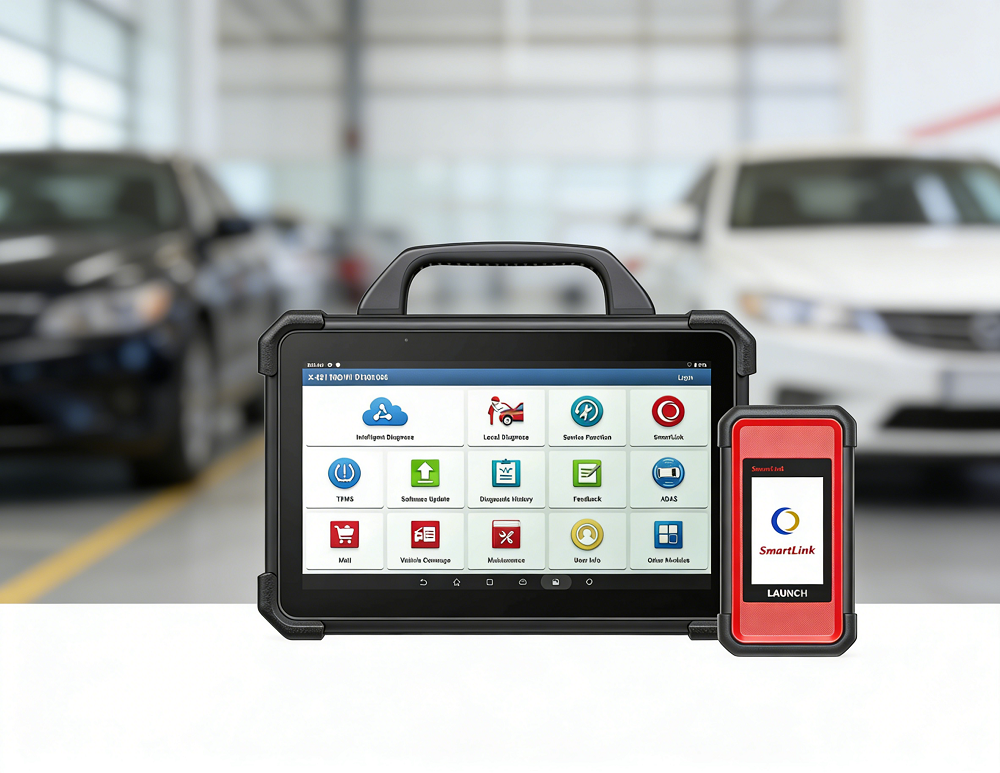
For example, the Launch X431 scanner is designed specifically for vehicle owners and home users. It supports full OBD2 diagnostic modes, including reading and clearing codes, accessing freeze-frame data, checking oxygen sensors, and monitoring emissions systems.
The scanner also includes a large diagnostic database with over 40,000 trouble codes, allowing users to quickly understand the meaning of each code without external research.
Other helpful features include:
Live data comparison and recording
Fast diagnostic processing
Wide compatibility with gasoline vehicles using standard OBD2 protocols
Clear color display for easy navigation
These features make Kolsol scanners particularly attractive for home mechanics who want reliable diagnostics without the complexity of professional tools.
Car scanners are available in two main formats: handheld devices and Bluetooth adapters.
Handheld scanners
These standalone devices plug directly into the OBD2 port and display diagnostic data on their own screen. They are simple and reliable, making them ideal for beginners.
Bluetooth scanners
Bluetooth adapters connect to smartphones or tablets through diagnostic apps. These scanners provide advanced data visualization and wireless convenience.
For example, some Bluetooth scanners allow users to monitor vehicle data through mobile apps and receive repair suggestions based on diagnostic codes.
Choosing between these options depends on whether you prefer a dedicated device or a smartphone-based interface.
Using a scanner correctly ensures accurate diagnostics and prevents misinterpretation of codes.
Locate the OBD2 port under the dashboard.
Connect the scanner and turn the ignition on.
Run a full diagnostic scan.
Record the trouble codes before clearing them.
Research the codes and perform necessary repairs.
Following these steps helps you diagnose problems efficiently and confirm whether repairs were successful.
Kolsol car scanner is an essential tool for anyone performing DIY vehicle maintenance. By reading diagnostic codes and monitoring live engine data, scanners provide valuable insight into a vehicle’s health and performance. For home mechanics who want reliable diagnostics without investing in expensive professional equipment, scanners from Kolsol offer a practical solution. With comprehensive OBD2 functions, large code databases, and easy-to-use interfaces, these tools help drivers diagnose problems quickly and maintain their vehicles with confidence. Investing in a quality car scanner not only saves money on diagnostics but also gives you greater control over your vehicle’s maintenance and long-term reliability.
Apr 11, 2026

 EN
EN