Modern Volkswagen Group vehicles—including VW, Audi, Skoda, and SEAT—are built with increasingly complex electronic systems. From engine management and transmission control to advanced driver assistance systems, almost every function is now governed by electronic control units (ECUs).
While this sophistication improves performance, safety, and efficiency, it also makes diagnostics far more complicated than simple mechanical troubleshooting. This is where car diagnostic tools like VCDS and its alternatives become essential for both professional mechanics and advanced DIY enthusiasts.
VCDS (VAG-COM Diagnostic System) is one of the most widely recognized diagnostic tools for Volkswagen Group vehicles. Developed by Ross-Tech, it is designed specifically to communicate with VW, Audi, SEAT, and Skoda ECUs using the same protocols used by dealership-level equipment.
Unlike generic OBD2 scanners, which provide only basic fault codes related to emissions and engine performance, VCDS offers deep access to virtually every control module in the vehicle. This includes engine, transmission, ABS, airbags, climate control, infotainment systems, and even comfort features like central locking and lighting systems.
The primary strength of VCDS lies in its ability to perform advanced functions such as reading and clearing detailed fault codes (DTCs), performing system adaptations and coding, running output tests and actuator diagnostics, resetting service intervals, and accessing live data from multiple sensors in real time.
For many VW enthusiasts and independent workshops, VCDS is considered a near-dealer-level tool that provides transparency into vehicle behavior that would otherwise require expensive OEM equipment.
VCDS operates through a proprietary interface cable that connects a Windows-based laptop to the vehicle’s OBD-II port. Once connected, the software communicates directly with each ECU using Volkswagen’s diagnostic protocols.
The user interface is organized by control modules, making it relatively easy to navigate even complex systems. For example, selecting the engine module allows access to fuel trims, boost pressure, ignition timing, and fault codes, while selecting the ABS module provides wheel speed sensor data and brake system diagnostics.
One of the key advantages of VCDS is its long-standing development and frequent updates. As Volkswagen introduces new models and electronic architectures (such as MQB and MQB Evo platforms), Ross-Tech continues to update the software to maintain compatibility.
In real-world use, VCDS is not just a fault-finding tool—it is a complete vehicle diagnostic and customization platform.
When a check engine light appears, VCDS can identify precise fault codes rather than generic OBD messages. For example, instead of simply reporting a “misfire,” it may specify which cylinder is affected and provide freeze-frame data showing engine conditions at the time of the fault.
Modern DSG (Direct-Shift Gearbox) systems require detailed monitoring and calibration. VCDS allows users to check clutch wear, perform adaptations after repairs, and monitor shift behavior in real time.
Through coding, users can modify functions such as auto-folding mirrors, enable a needle sweep animation on startup, adjust daytime running light (DRL) behavior, and unlock convenience options like remote window control. It is also widely used when retrofitting OEM components, such as upgrading to advanced headlights or installing newer infotainment systems, ensuring that the newly added hardware integrates properly with the vehicle’s existing electronic systems.
VCDS can reset oil service reminders, electronic parking brake systems, and battery management systems. These features are especially useful after performing DIY maintenance.
Despite its strengths, VCDS is not without limitations.
First, it requires a Windows PC, which may not be convenient in all situations. Unlike mobile-based diagnostic tools, it lacks portability.
Second, while it is powerful, it is not officially licensed by Volkswagen. Although widely trusted, it is still a third-party solution and may not always support the very latest vehicle systems immediately upon release.
Finally, VCDS is highly capable, but it has a learning curve. Incorrect coding or adaptation changes can potentially affect vehicle behavior if not done carefully.
As vehicle electronics evolve, several alternatives to VCDS have emerged. These range from professional-grade OEM tools to more user-friendly consumer solutions.
ODIS is the official diagnostic software used by Volkswagen dealerships and represents the most complete level of access to VW Group vehicle systems. It is fully aligned with factory procedures, meaning it follows the same workflows, specifications, and troubleshooting logic used by authorized technicians. Because of this, it is considered the most accurate and reliable platform for deep system-level diagnostics.
One of ODIS’s key strengths is its guided diagnostics function, which leads technicians step-by-step through fault finding and repair processes. It also supports online coding, software updates, and ECU reprogramming, which are essential for modern vehicles with complex electronic architectures. However, it is highly complex, requires licensed access, and is primarily intended for professional workshop use rather than casual or hobbyist users.
OBDeleven is a smartphone-based diagnostic tool designed specifically for Volkswagen Group vehicles and has become extremely popular among enthusiasts. It uses a compact Bluetooth adapter paired with a mobile app, making it far more convenient than traditional laptop-based systems. Its portability and ease of use make it especially attractive to beginners.
The platform supports functions such as fault code reading and clearing, live data monitoring, service resets, and one-click coding for popular modifications. OBDeleven also includes pre-set “apps” that automate coding changes, allowing users to activate features without technical expertise. While very user-friendly, advanced users may find it less flexible and less powerful compared to professional tools like VCDS.
Carly is a mobile diagnostic solution that supports multiple vehicle brands, including Volkswagen Group models. It is designed with a strong focus on simplicity and accessibility, making it suitable for everyday car owners who want basic diagnostic capabilities without technical complexity. The app provides an easy way to check vehicle health and read fault codes.
Its features include used car checks, basic coding options, maintenance tracking, and simple diagnostic reports. Carly prioritizes user experience over advanced customization, which makes it ideal for general maintenance and quick checks. However, compared to tools like VCDS or OBDeleven Pro, it offers more limited control over deeper coding and advanced vehicle modifications.
Autel produces professional-grade diagnostic scanners widely used in independent repair shops and workshops. Devices such as the MaxiCOM and MaxiSYS series support Volkswagen diagnostics along with a broad range of other automotive brands, making them highly versatile tools for multi-brand environments.
These systems offer full-system diagnostics, bi-directional control tests, ECU programming (on supported models), and advanced service functions such as calibrations and resets. While they are significantly more expensive than consumer-level tools, their power and flexibility make them ideal for professional mechanics who need comprehensive diagnostic coverage across different vehicle manufacturers.
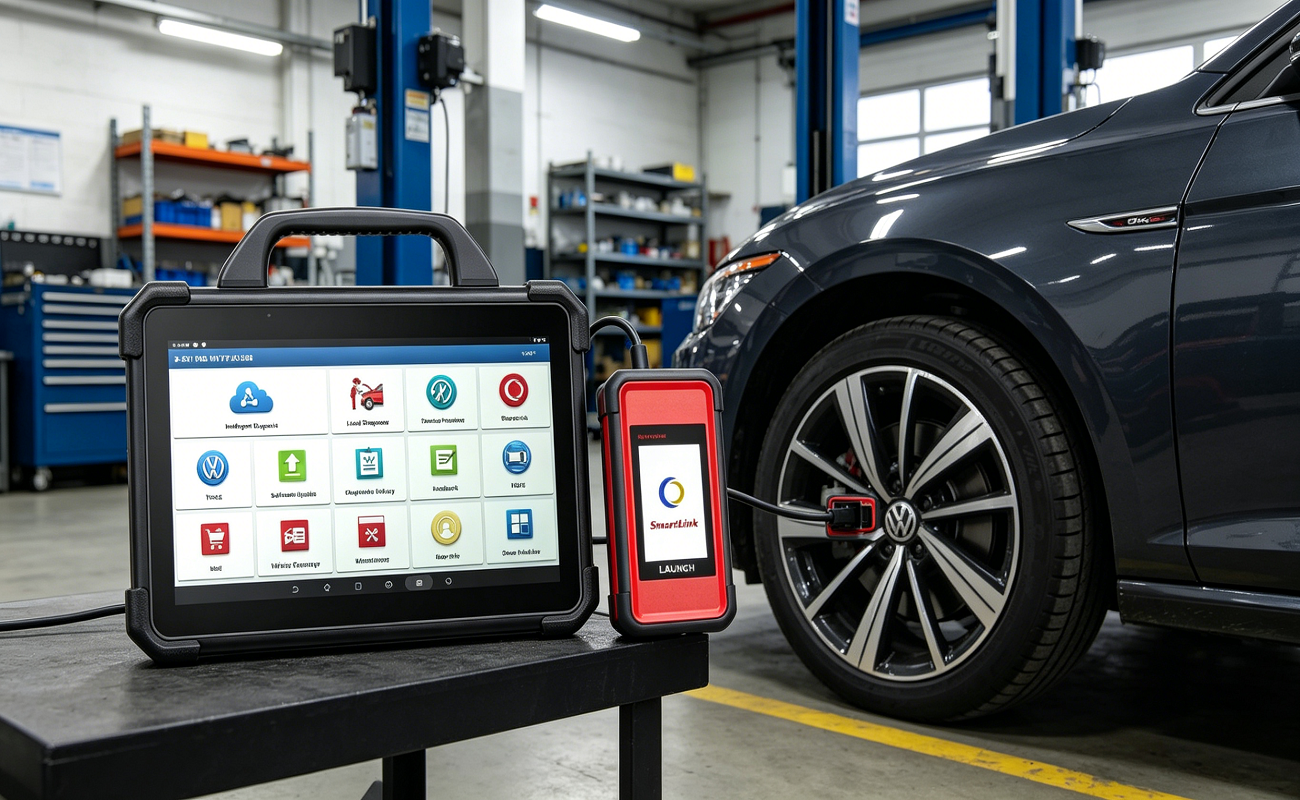
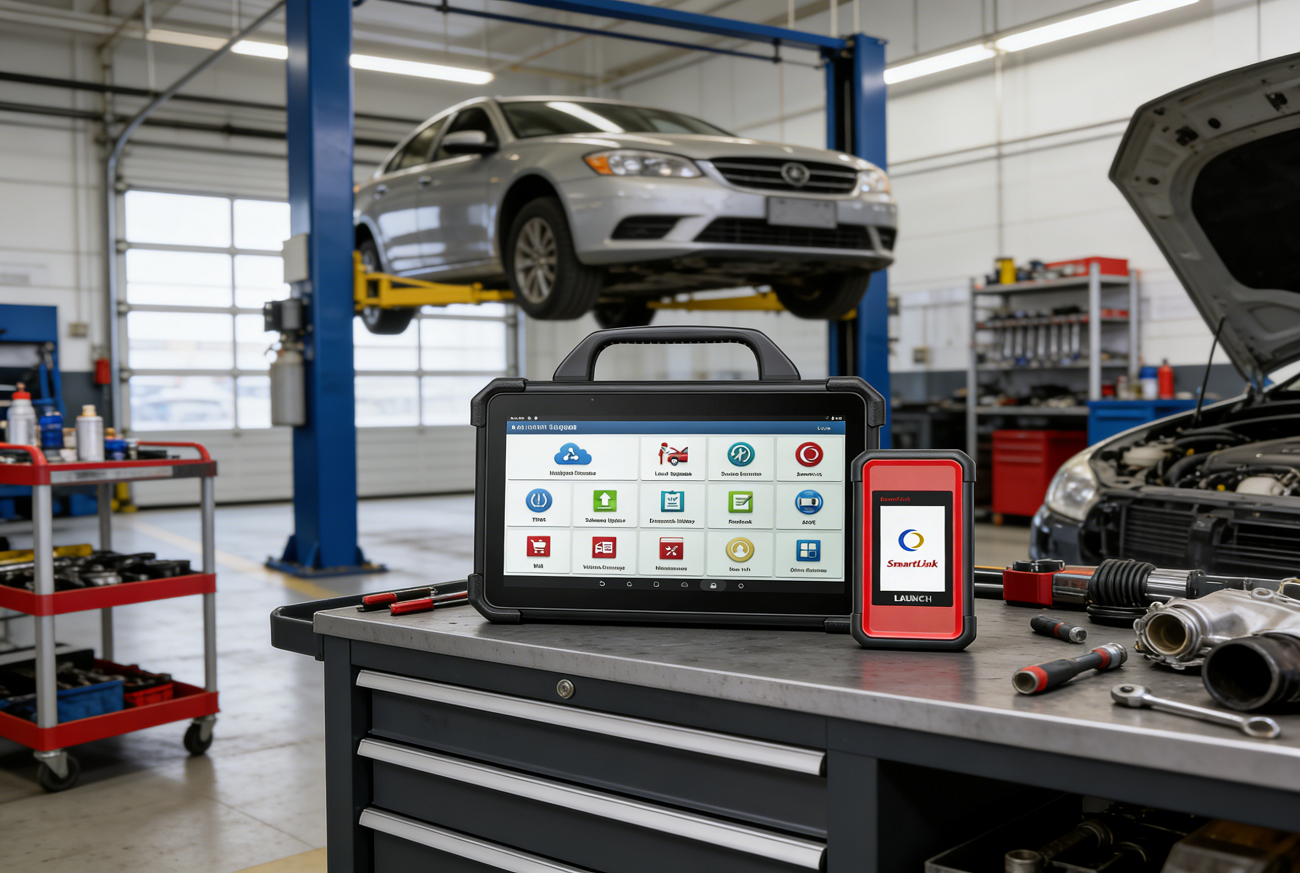
The Launch X431 series is another major professional diagnostic platform widely used in automotive workshops. These tablet-based systems provide extensive support for Volkswagen Group vehicles while also covering many other global car brands, making them suitable for multi-vehicle service environments.
Launch tools offer comprehensive ECU scanning, coding and adaptations, active tests, and calibration functions. They also benefit from cloud-based updates that keep the system current with new vehicle models and technologies. Because of their versatility and strong diagnostic capabilities, they are commonly chosen by workshops that require a flexible, all-in-one solution for diverse vehicle repairs.
Choosing the right VW diagnostic tool depends largely on the user’s needs, budget, and level of technical experience. For enthusiasts and DIY users, tools like VCDS or OBDeleven are generally the best choices, offering a balance between functionality and ease of use. For professional VW specialists who require full factory-level access, ODIS is the most powerful option, as it provides complete integration with dealership systems and guided diagnostic workflows. Meanwhile, general workshops that service multiple vehicle brands often prefer Autel or Launch tools due to their broad compatibility and versatile diagnostic capabilities.
Among these options, VCDS is often regarded as the “gold standard” for Volkswagen-specific diagnostics because of its deep system access, reliability, and long-standing development history. It remains highly respected within the VW enthusiast community for coding, adaptations, and detailed troubleshooting.
As vehicles continue to evolve, diagnostics are shifting toward cloud-based systems, over-the-air updates, and AI-assisted troubleshooting. Volkswagen is increasingly integrating connected services, which may eventually change how tools like VCDS function.
In the future, automotive diagnostic tools may rely less on direct cable connections and more on secure online access to manufacturer servers. This will likely improve accuracy and functionality but may also introduce subscription-based limitations.
Despite these changes, the need for independent diagnostic tools will remain strong. Enthusiasts and workshops will continue to require flexibility, customization options, and cost-effective solutions outside of dealership ecosystems.
VW diagnostic tools like VCDS have revolutionized the way owners and technicians interact with modern vehicles. What was once only accessible to dealerships is now available to enthusiasts and independent mechanics through specialized software and interfaces.
While VCDS remains one of the most powerful and trusted tools for Volkswagen Group diagnostics, alternatives such as OBDeleven, ODIS, Autel, and Launch provide different levels of accessibility, functionality, and convenience.
Ultimately, the best tool depends on the balance between depth of control, ease of use, and professional requirements. As automotive technology continues to advance, diagnostic systems will only become more essential in maintaining, repairing, and optimizing modern vehicles.
Apr 09, 2026
Apr 20, 2026

 EN
EN