Car workshops benefit from the use of a reliable professional-grade diagnostic scanning tool due to the increasing use of complex electronic systems in modern day automobiles. In most shops, it is no longer adequate to merely have tools for basic diagnostics; a reliable tool can give your technicians the ability to rapidly diagnose problem areas, retrieve trouble codes, run tests on systems, and ultimately improve efficiency and reduce costs by producing accurate repairs the first time.
In order to determine which scanner best fits your needs, you should understand how a scanner works, what functions it can provide, and which vehicles are able to receive accurate diagnostic information from the scanner that you choose to purchase.
A car diagnostic scanner (also known as an OBDII scanner) is a tool that can be plugged into a vehicle's diagnostic connector, or onboard computer system, via the diagnostic connector. By doing this, the scanner will access the information stored in the vehicle's onboard computer system and retrieve diagnostic trouble codes (DTCs), live data from the various vehicle systems, and other essential information about the vehicle systems' health.
If there is a check engine light illuminated on a vehicle's instrument cluster, it typically means that the vehicle's computer has identified a fault within the vehicle's systems. When this occurs, the technician can utilize the scanner to read the DTCs and provide valuable information about potential problems within the vehicle. This information enables the technician to determine whether the issue is related to the vehicle's engine, transmission, ABS system, airbag, or any of the other various electronic control units (ECUs) that are present in the vehicle.
Most scanners can perform more advanced functions in addition to DTC retrieval; for example, they can clear DTCs, perform system tests, reset service lights, and monitor real-time sensor data. As such, they have become an integral part of the operation of a professional automotive repair facility.
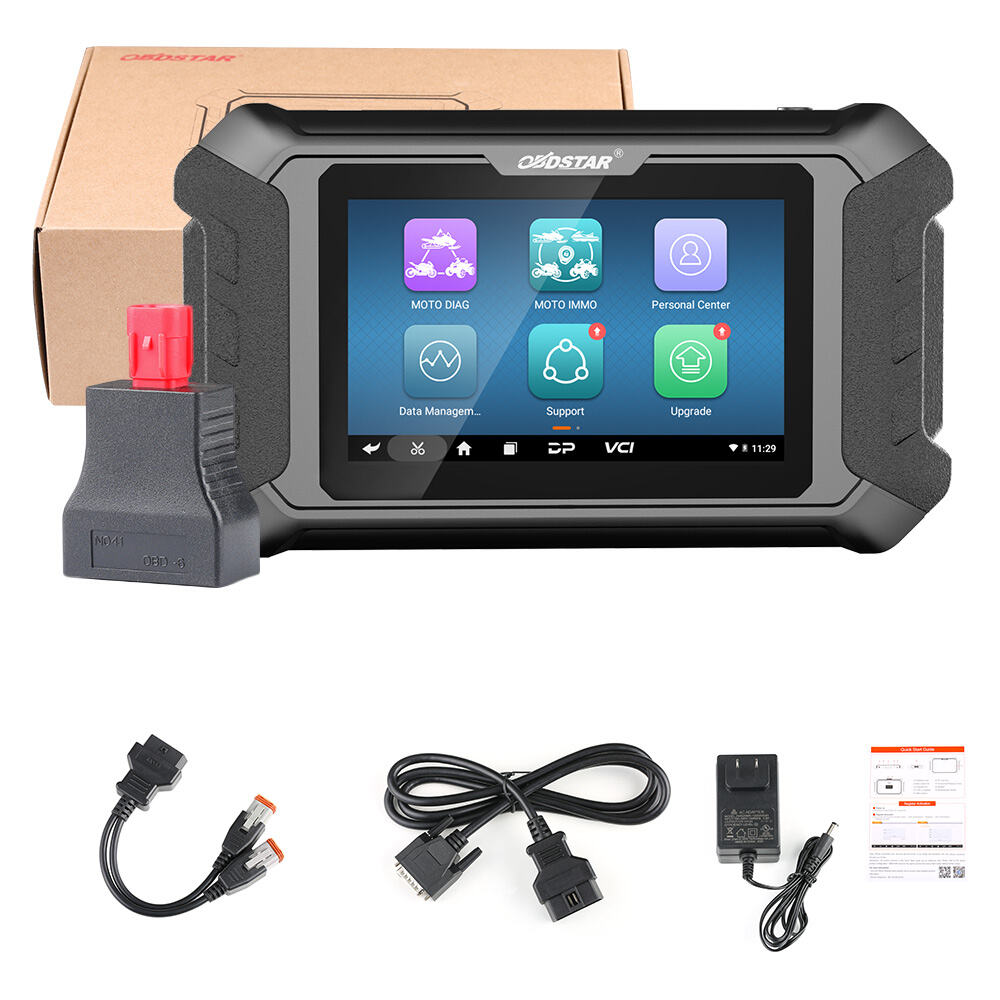
In the past, diagnosing problems with vehicles was heavily based on mechanical inspections and experience; however, as vehicle technology has become more and more complex, many issues that arise in a vehicle cannot be identified using typical methods of unsuccessful mechanical inspection. The vehicles we drive today are technologically advanced machines that rely on intricate computer systems for functionality. To be able to troubleshoot and repair vehicles, Automotive repair facilities require sophisticated diagnostic software.
Automotive Repair Facilities that utilize advanced diagnostic scanners gain many advantages over their counterparts without such systems.
Diagnostic Trouble Code (DTC) reading through automatic diagnostics enables technicians to diagnose problems well in advance of having to manually check the various vehicle components, which can take a significant amount of time and effort.
Professional-grade diagnostic scanners enable technicians to connect to many of the vehicle's computerized modules, including the Engine Control Unit (ECU), Transmission Control Module (TCM), Anti-Lock Braking System (ABS), Supplemental Restraint System (SRS), Tire Pressure Monitoring System (TPMS), and many others. Advanced-level scan tools may connect to and read data from more than 80 car manufacturers with multiple computers for each of those manufacturers’ cars.
Live data streaming provides technicians with the ability to monitor and view live data from the vehicle's sensors in real time, which aids in diagnosing a problem with an engine's performance caused by an irregularity in the fuel injectors and other critical components.
By allowing technicians to perform diagnostic tests faster, automotive repair shops are also able to service more vehicles within the same time frame, thereby improving their productivity and customer satisfaction.
Not all diagnostic scanners are the same; therefore, workshop managers should consider examining the following important features prior to making an investment in this type of quality diagnostic tool.
Professional-grade diagnostic scanners should have the ability to diagnose and perform all major vehicle systems, including engine, transmission, anti-lock braking, and SRS (airbag). By performing complete system diagnostics, the user will obtain a complete diagnostic picture of the vehicle.
Bi-directional control is one of the features offered by many professional-grade scan tools; this feature allows the technician to send commands to various electronic systems by controlling modules and systems. For example, technicians can turn on cooling fans, conduct a test of fuel injectors and also use a scanner to control electronically operated parts. This functionality helps to provide technicians with more accurate diagnostic results.
Maintenance can often require service resets following repairs. Many specialty-type professional scanners will provide functions such as oil service reset, electronic parking brake reset, steering angle sensor calibration, battery registration, and throttle relearn as part of the job. Some high-end tools might offer thirty or more functions, thus allowing technicians' workshops to perform many maintenance functions in the best way.
Most of the time, a professional should have a scanner capable of diagnostic testing for a large number of vehicle makes/models. In fact, many professional tools are able to perform diagnostic testing of thousands of vehicles manufactured by companies such as Honda, Toyota, BMW, Mercedes, and Volkswagen.
In addition, modern vehicles will utilize new communication protocols such as CAN-FD and DoIP; the best car diagnostic scanner must also have the ability to communicate with these types of systems.
Most of the newer scanners will have the capability of connecting either via Bluetooth or Wi-Fi. This allows a technician the ability to move around a vehicle without the restriction of cable. Wireless capability also permits technicians to update remotely, as well as provide easy sharing capabilities of data.
Due to the rapid growth of vehicle technology, to stay current, diagnostic scanners require software updates on a regular basis. Tools that provide either free or low-cost updates provide better long-term return on investment.
Prior to purchasing any type of diagnostic scanner, workshop owners need to understand the various types of scanners available for use.
Basic code readers are entry-level type of tools used to read/clear basic engine codes. Affordable diagnostic tools offer limited capabilities, are typically best-suited for DIY users rather than professional repair facilities and are generally not suited to perform many advanced functions, such as providing access to ABS or airbag systems or allowing real-time data observation. However, mid-range diagnostic tools do provide these capabilities along with other additional features.
High-end scanner tools (professional tablet diagnostic tools) offer scanning capabilities similar to that of a tablet computer and typically have many of the same advanced scanning capabilities (for example, ECU Coding, Bi-directional Control, the ability to cover all systems, Active Test functions, ECU programming, as well as hundreds or thousands of additional service functions through the use of OBD-II protocols) enabling them to provide the same or better level of diagnostic support as an OEM dealership.
Many positive reviews can be found regarding the performance of advanced scan tools for performing active tests, programming ECUs, and performing numerous service functions, making them a better choice for professional technicians needing to service/apply repairs to modern vehicles.
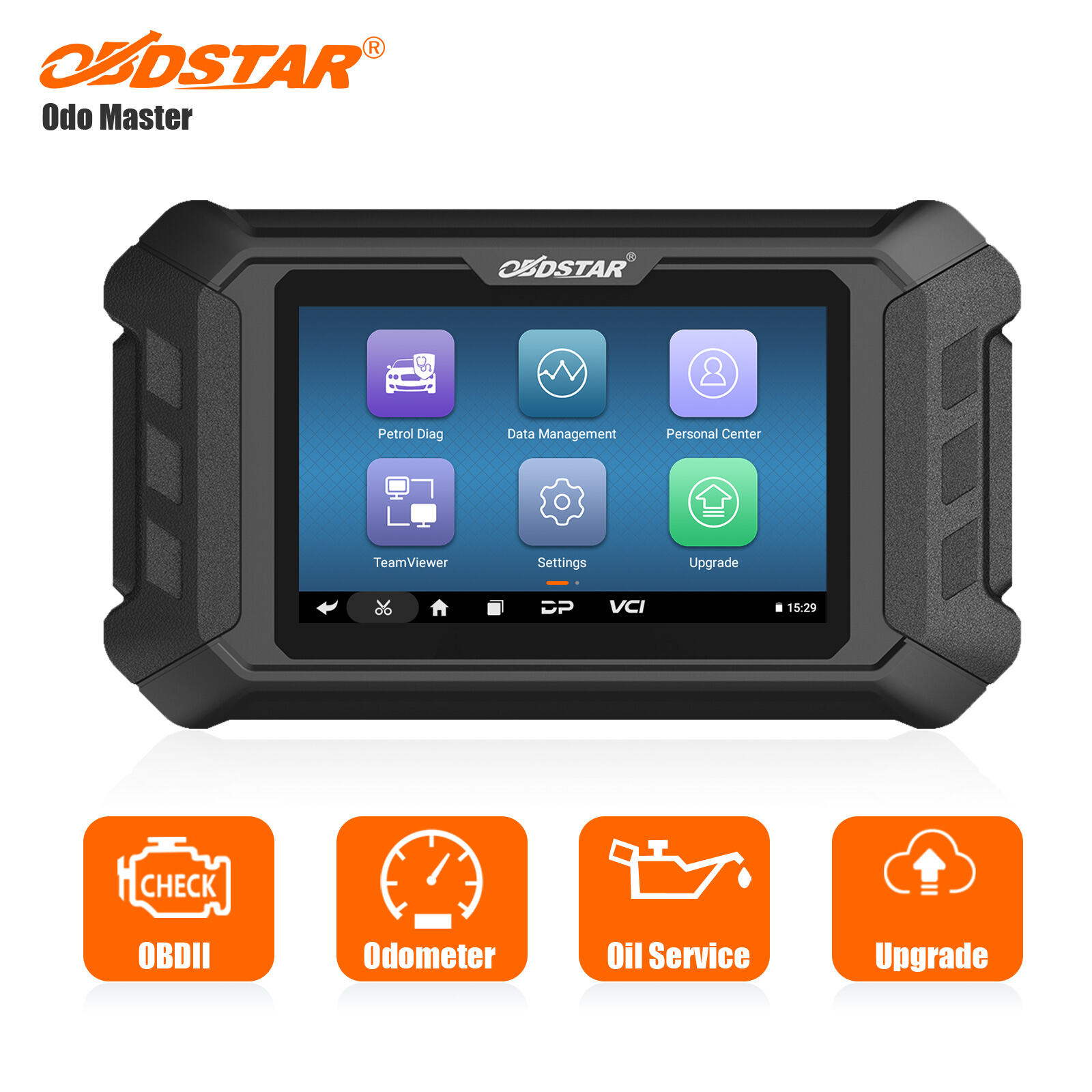
When choosing a scanner for your shop, the key factor to consider is the amount of work being performed. A small shop that primarily performs service work on passenger vehicles may only need a mid-range OBD-II scanner that supports the most basic functions of reading and erasing diagnostic fault codes, checking whether the vehicle is OBD-II Emission Ready and monitoring user-selected Live Data. In contrast, a large repair shop working on a number of different vehicle makes and/or service items with more complex systems will be better served with a full-featured professional diagnostic tablet that supports a greater level of system coverage and more advanced functions.
Prior to purchasing a scanner, workshop owners should consider the types of vehicles serviced, whether they require the use of advanced scanning functions (i.e. ECU Programming & Service Resetting), how often the scanner will be needed for everyday use, and the total investment budget for scanner equipment. By carefully considering these questions, workshop owners can better match the features of a scanner to their current needs and anticipated future needs.
By investing in the best car diagnostic scanner, a workshop can realize a significant increase in shop productivity. High-quality scanners provide technicians with a faster method to diagnose problems, reduce the amount of guesswork involved in repairing vehicles, and improve the overall quality of completed repairs. Over a period of time, increased levels of quality repairs and higher speed diagnostic processes will contribute to increased levels of customer satisfaction and higher profitability for a workshop.
In summary, a dependable vehicle diagnostic scanner is one of the most critical tools that a workshop can own. They allow technicians to quickly access data regarding the vehicle's many components, fault codes concerning the many components of the vehicle, as well as perform diagnostic functions on all systems within the vehicle. Whether being used to perform basic code readings or professional diagnostic tablet scanning, the appropriate scanner can improve a shop's productivity and level of service.
When buying the best car diagnostic scanner, workshop owners should search for the service coverage, advanced features, vehicle compatibility, and software updates for each tool. With the proper tool, technicians can diagnose complex automotive problems with greater confidence and expedite the overall level of service provided to customers.
Kolsol has emerged as one of today's most popular brands of vehicle diagnostic scanners for both professional technicians and DIY car enthusiasts because of the ease of use, reliability, and affordability of Kolsol scanners. Kolsol scanners typically support all of the standard OBD-II functions, including the ability to read & erase diagnostic fault codes, access live data, and verify the OBD-II Emission Readiness status of the vehicle being scanned. Kolsol scanners provide an easy-to-use, dependable solution for professional repair shops needing reliable vehicle diagnostics without excessive complexity.
Apr 09, 2026
Apr 10, 2026

 EN
EN